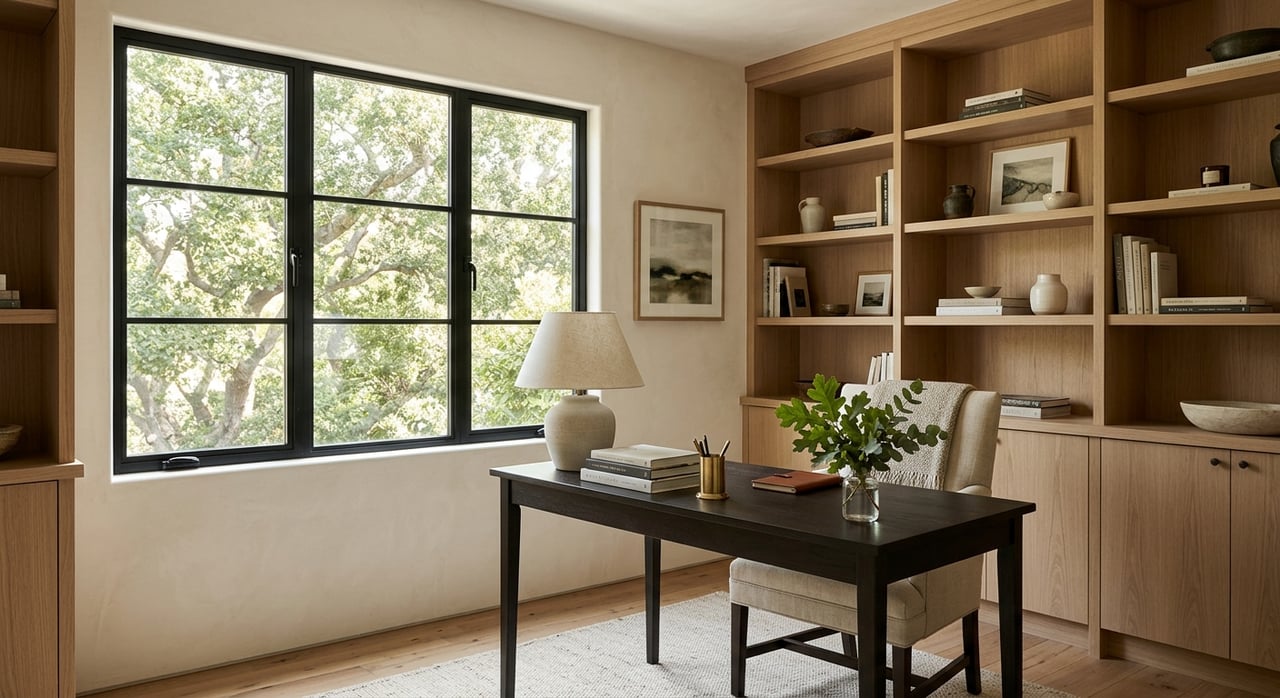
Moving to Tarrytown Austin: Is It the Right Fit?
July 2, 2026
July 2, 2026
Wondering if Tarrytown is worth the price and the hype for your Austin move? That is a smart question, especially if you are balancing commute, home style, outdoor access, and long-term value. Tarrytown can be a great fit for some buyers and a frustrating mismatch for others, so it helps to look past the name and focus on how the neighborhood actually lives day to day. Let’s dive in.
Tarrytown is in central-west Austin, between Lake Austin and MoPac, with Lake Austin Boulevard to the south and 35th Street to the north. That location gives it a tucked-away residential feel while still keeping you close to central Austin.
If you want a neighborhood that feels more rooted in homes, trees, parks, and nearby water access than in dense retail or nightlife, Tarrytown stands out. It is not a retail-heavy urban core, and that distinction matters when you are deciding how you want your daily routine to feel.
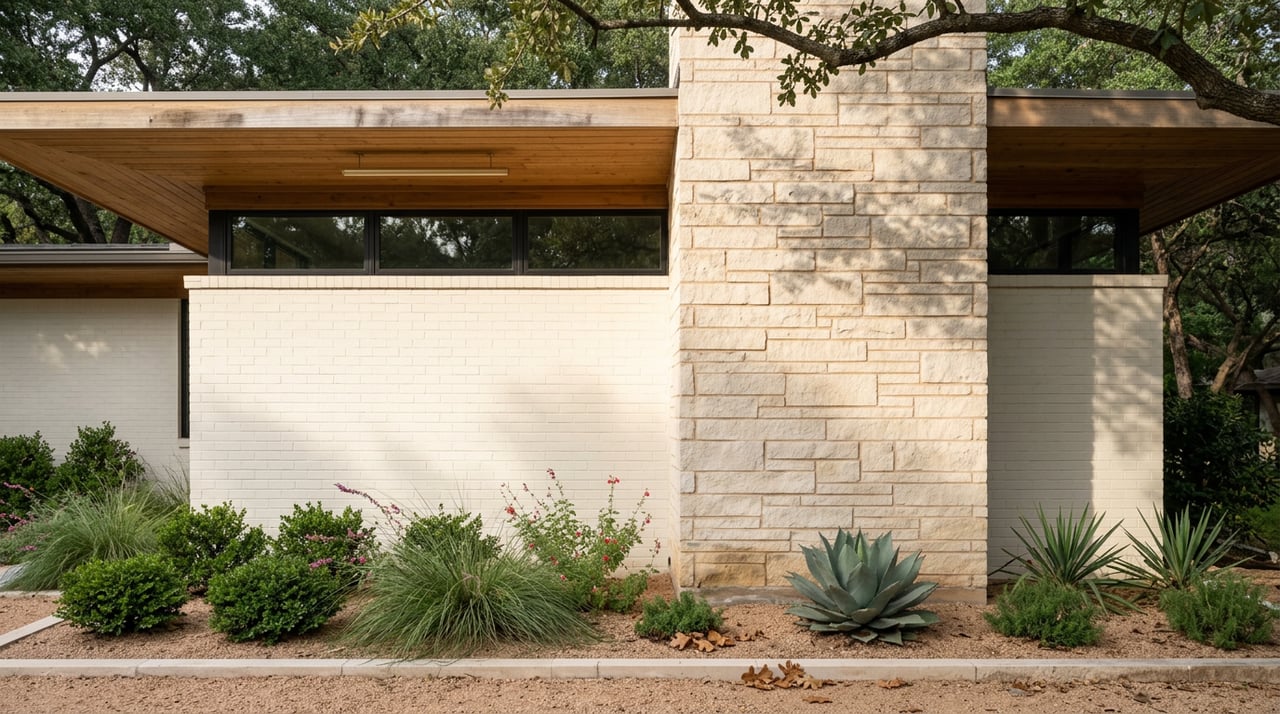
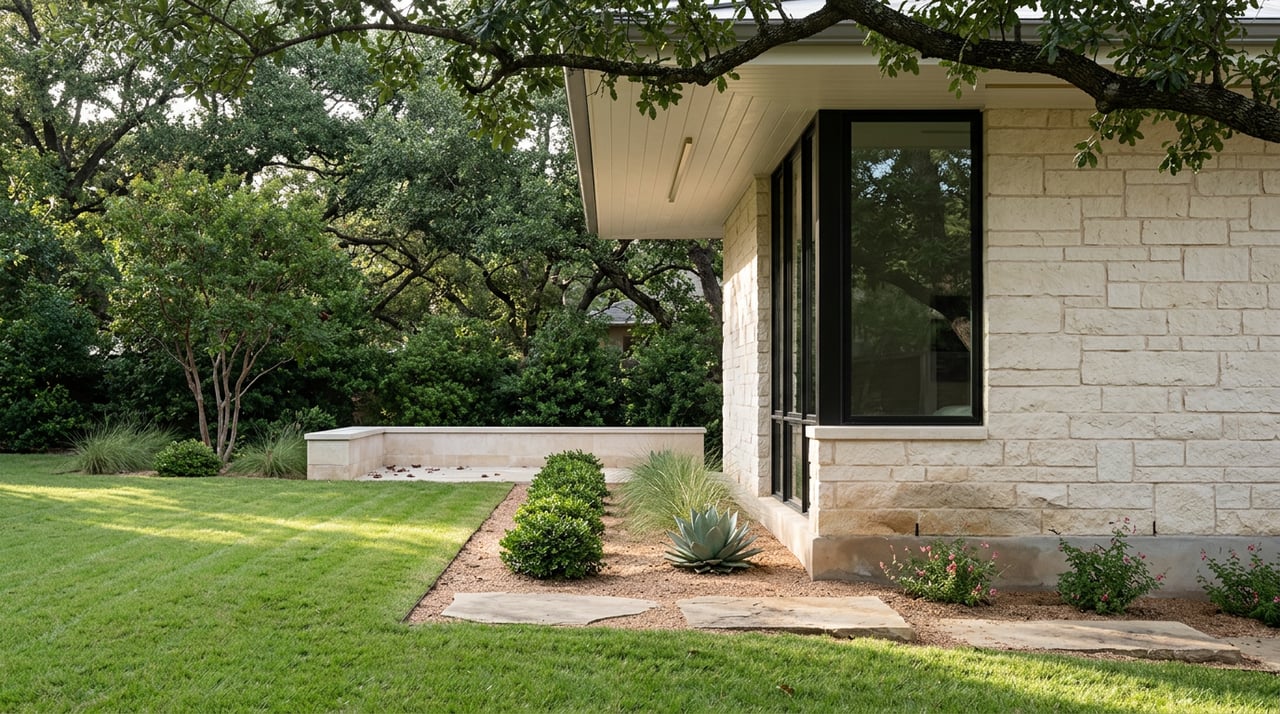
Tarrytown is known for a mix of historic older homes, estates, and bungalows. The housing pattern adds to the neighborhood’s character, with one- to two-story single-family homes making up much of the area, plus some duplexes and multifamily properties along corridors like Enfield.
The street layout also shapes the experience. According to the City of Austin’s Central West Austin neighborhood plan, Tarrytown combines a grid network with winding cul-de-sacs and narrow streets, which helps create the quieter, more residential atmosphere many buyers notice right away.
For many buyers, Tarrytown checks some hard-to-find Austin boxes at once. You get a central location, mature trees, access to parks and lake-oriented recreation, and a housing search that can include both preserved character and substantial updates.
Nearby amenities are more neighborhood-serving than destination-driven. The city plan identifies places such as Tarrytown Shopping Center, Howson Library, Casis Shopping Village, Austin Fire Station #10, and the Episcopal Church of the Good Shepherd. The neighborhood association also highlights parks and recreation spots including Mayfield Park, Reed Park, Westenfield Park, Tarrytown Neighborhood Park, Lake Austin, Lady Bird Lake, Lions Municipal Golf Course, and West Austin Youth Association.
If you are hoping for a neighborhood where every lot and home type feels predictable, Tarrytown may not be the best match. One of its defining traits is variety.
You will find an eclectic mix of architectural styles, and the lots themselves can vary quite a bit. Recent and current listing examples have included sites around 5,140 square feet, 7,671 square feet, 0.29 acre, 0.4 acre, and 0.65 acre. In other words, there is no single lot-size standard you can apply across the neighborhood.
That means your home search should stay focused on the specific address, block, and site conditions. In Tarrytown, slope, trees, lot shape, and renovation potential can matter just as much as square footage.
The neighborhood plan notes that much of Tarrytown includes small hills and sloping lots. It also documents substantial newer home sizes during the 2000 to 2006 period, which helps explain why buyers may see a wide range between classic homes with original character and larger rebuilt or heavily remodeled properties.
This is one place where careful evaluation matters. If you love charm, Tarrytown offers it. If you want something more turnkey or larger, those options exist too, but they are selective rather than uniform.
As of May 2026, Realtor.com reports a median listing price of $1.725 million in Tarrytown. The same report shows 70 homes for sale, 31 rentals, a median rent of $3,350 per month, and a median 51 days on market.
Homes sold for approximately asking price on average in May 2026. That suggests a market where pricing and property condition still matter, but buyers should not assume they are entering a discount neighborhood.
Tarrytown is generally a weaker fit if your top goal is finding a lower Austin price point. It tends to make more sense if you are prioritizing location, neighborhood feel, and character over maximum square footage or a bargain entry point.
That does not mean every property is the same. It means your strategy has to be specific, and your expectations should line up with what this neighborhood typically offers.
One reason Tarrytown stays in demand is its practical location for central Austin travel. Because it sits between Lake Austin and MoPac, many buyers see it as especially convenient for getting around central parts of the city.
That commute advantage is based on geography rather than a published neighborhood-wide commute statistic, but it aligns with how many people evaluate the area. If you want a more residential setting without feeling cut off from central Austin, Tarrytown is often worth a closer look.
CapMetro’s Pickup service serves Tarrytown on weekdays from 7 a.m. to 7 p.m. as an on-demand shared shuttle. CapMetro also notes that its broader system includes bus routes and Rail Route 550 to downtown Austin.
For some buyers, that adds useful flexibility for errands or shorter trips. Still, most people considering Tarrytown are drawn as much to the neighborhood’s location and road access as to its transit options.
For buyers focused on schools, Casis Elementary is an important neighborhood anchor. Austin ISD says Casis opened in 1951, was modernized through the 2017 bond, and earned a 2025 accountability rating of A.
There is one important detail to keep in mind. Austin ISD also says school assignment is determined by home address, and the district is re-evaluating boundary-change procedures. That means you should verify the current assignment for any specific property rather than rely on a broad neighborhood assumption.
Tarrytown tends to work well for buyers who want:
It is often a strong shortlist neighborhood when location and character matter more than lot uniformity or maximum square footage.
Tarrytown may be a weaker match if you want a neighborhood with a highly uniform new-build feel. It can also be less ideal if your priority is living in a more commercial, highly walkable district with a larger concentration of shops and restaurants right in the neighborhood core.
It may also fall short if you need a lower price point or want a simple apples-to-apples home search. Because inventory can vary so much by age, lot, topography, and level of renovation, buying here often requires a more nuanced comparison process.
If Tarrytown is on your list, ask yourself a few practical questions:
Your answers will usually tell you quickly whether Tarrytown is a strong fit or just an attractive idea.
Tarrytown is one of those Austin neighborhoods where the appeal is not just about one feature. It is the combination of central location, residential calm, mature landscaping, park and lake access, and a housing stock with real character.
At the same time, it is not the easiest neighborhood to evaluate at a glance. Prices are high, lot sizes are not uniform, and home-to-home differences can be significant. If you are deciding whether Tarrytown fits your move, the best approach is to look closely at your lifestyle priorities and then evaluate the specific homes that support them.
If you want help sorting through Tarrytown with a calm, fact-based strategy, Brande Draper can help you compare homes, weigh renovation potential, and decide whether this neighborhood truly matches your Austin goals.
Stay up to date on the latest real estate trends.

Get assistance in determining current property value, crafting a competitive offer, writing and negotiating a contract, and much more. Contact me today.