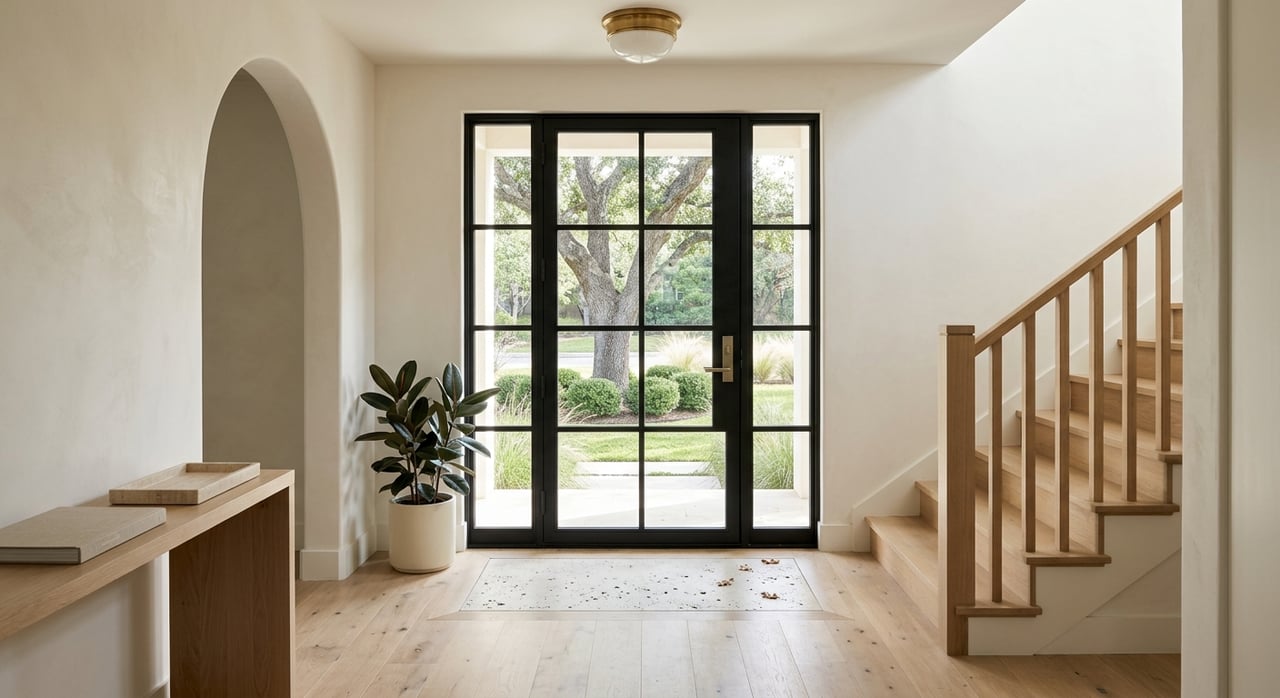
Preparing To List Your Pemberton Heights Home
June 4, 2026
June 4, 2026
Wondering how much you really need to do before listing your Pemberton Heights home? In a neighborhood known for mature trees, historic character, and a wide mix of architectural styles, getting ready to sell is not about making your home look brand new. It is about helping buyers see that the property has been well cared for, thoughtfully updated, and honestly presented. Let’s dive in.
Before you think about photos or paint colors, focus on the home’s condition. In a more balanced market, buyers tend to look closely at maintenance, repair history, and overall presentation.
In April 2026, the City of Austin had a median residential price of $573,750, 4.5 months of inventory, and a 94.9% average close-to-list ratio. Travis County posted a $505,000 median price, 4.8 months of inventory, and a 94.6% close-to-list ratio. That kind of market gives buyers options, which makes preparation and pricing discipline especially important.
If you are deciding where to spend your time and money, start with issues that are visible or likely to raise concerns during a buyer’s inspection. Common inspection areas include the structure, roof, plumbing, electrical, HVAC, interiors, insulation, fireplaces, and potential hazards.
For many Pemberton Heights homes, the best repair dollars often go toward:
These items tend to affect buyer confidence more than cosmetic imperfections. If buyers see signs of deferred maintenance, they may assume there are bigger issues behind the walls.
A pre-list inspection is optional, but it can help you understand your home’s condition before it hits the market. It may also reduce the chance of surprise findings during the buyer’s inspection period.
If you already know about an issue, it is often better to fix it, disclose it, or price with it in mind before going live. That approach can lead to smoother negotiations and fewer last-minute contract problems.
Pemberton Heights is part of central Austin’s 78703 area and is described by the neighborhood association as part of the Old West Austin National Register Historic District. The neighborhood includes 613 residences, mature tree canopies, and a mix of cottages, spacious dwellings, and grand estates.
That context matters when you prepare a home for sale. Buyers in Pemberton Heights are often paying attention to more than square footage. They are also noticing the setting, the architecture, and how the home fits into the neighborhood.
Before making exterior updates, confirm the property’s status using the City of Austin’s Historic Property Viewer. This step can save you time, money, and frustration.
Austin notes that locally designated historic districts and landmarks require review for exterior changes, while National Register district status is largely honorific and historic review is advisory only. If your property is a City historic landmark or located in a local historic district, non-routine exterior work may require a Certificate of Appropriateness.
That can include changes such as:
The City also states that a building permit will not be released without approved historic review when that review is required.
Texas sellers generally use the TREC Seller’s Disclosure Notice. According to TREC, this form includes information required by Texas Property Code Section 5.008 about material facts and the physical condition of the property.
If your home was built before 1978, lead-based paint disclosure rules may also apply. If you know of lead-based paint hazards, that information and any available records or reports must be disclosed before contract, along with the approved pamphlet.
If you are planning repairs or repainting that could disturb possible lead paint, use care. For pre-1978 homes, lead-safe renovation practices may be an important part of smart listing preparation.
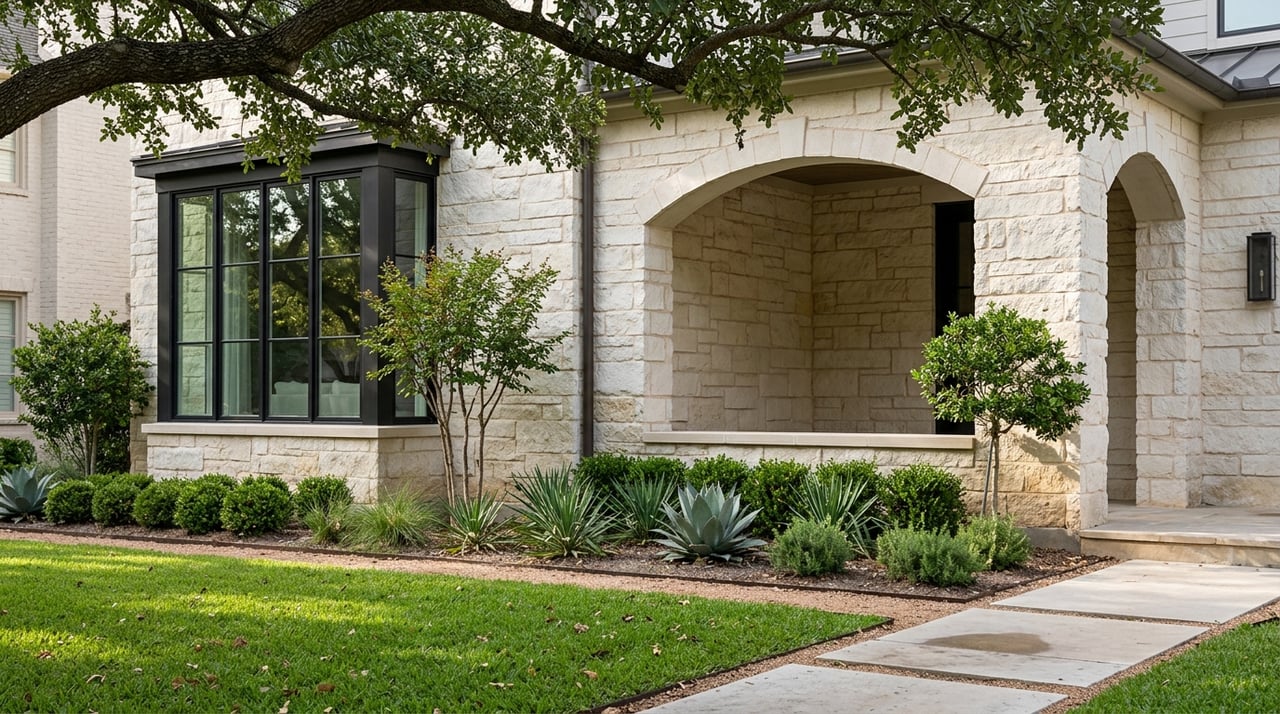
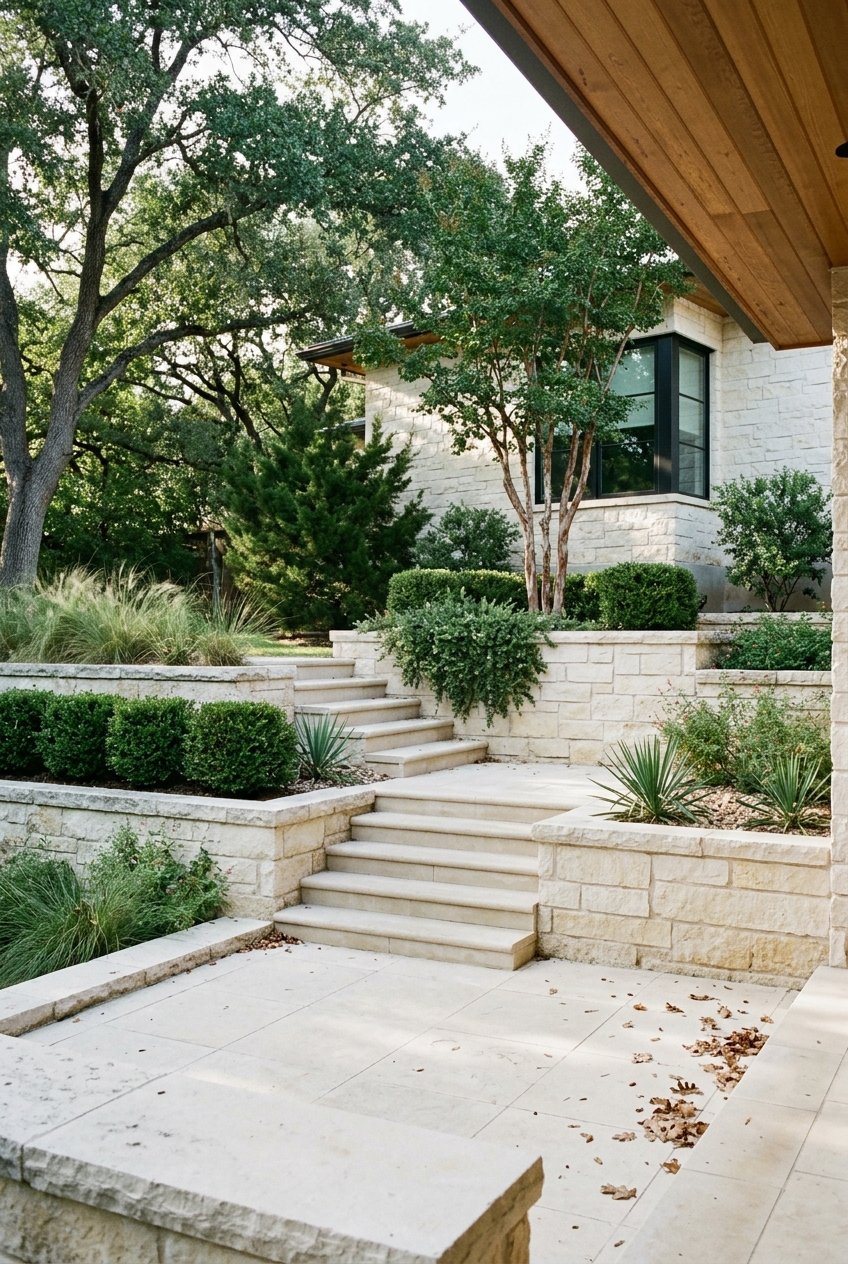
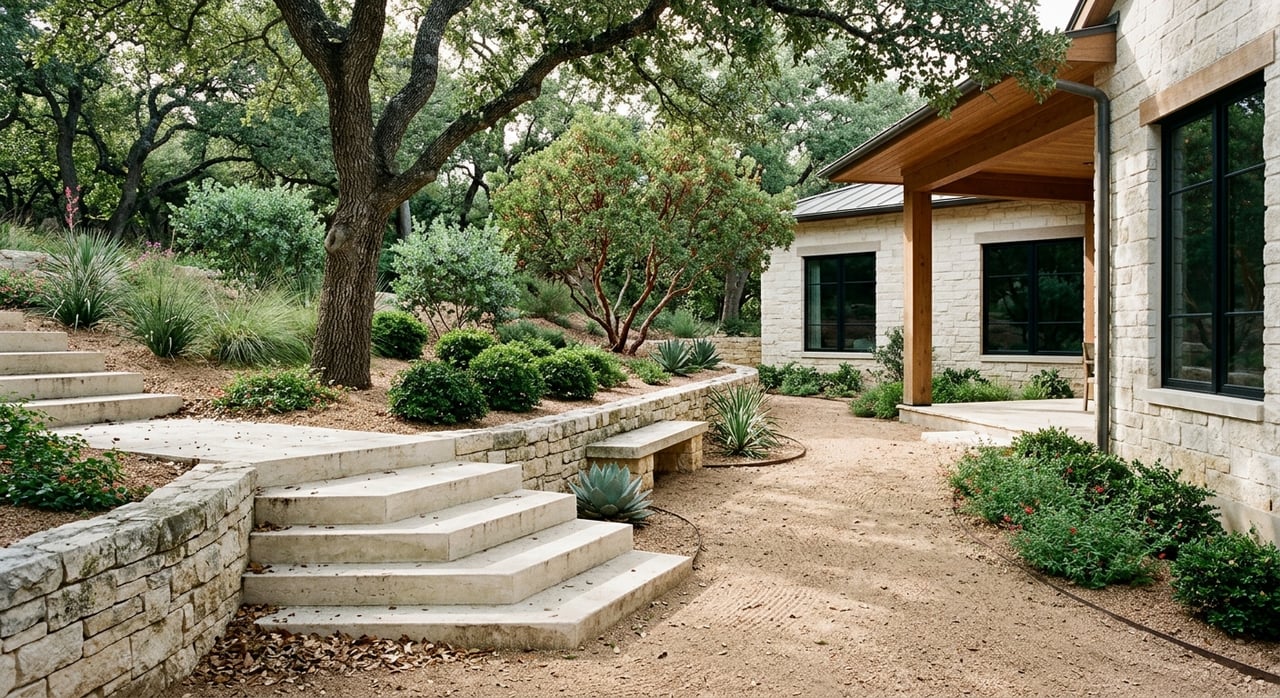
In Pemberton Heights, curb appeal goes beyond planting a few flowers. The neighborhood’s mature canopy, setbacks, traffic islands, and limestone-and-creek setting shape first impressions in a big way.
A tidy exterior helps your home photograph better and can reduce buyer concern about upkeep. It also supports the story that the property has been responsibly maintained.
You do not need to overdo it. Start with the essentials that make the home feel cared for and easy to approach.
A strong exterior prep list may include:
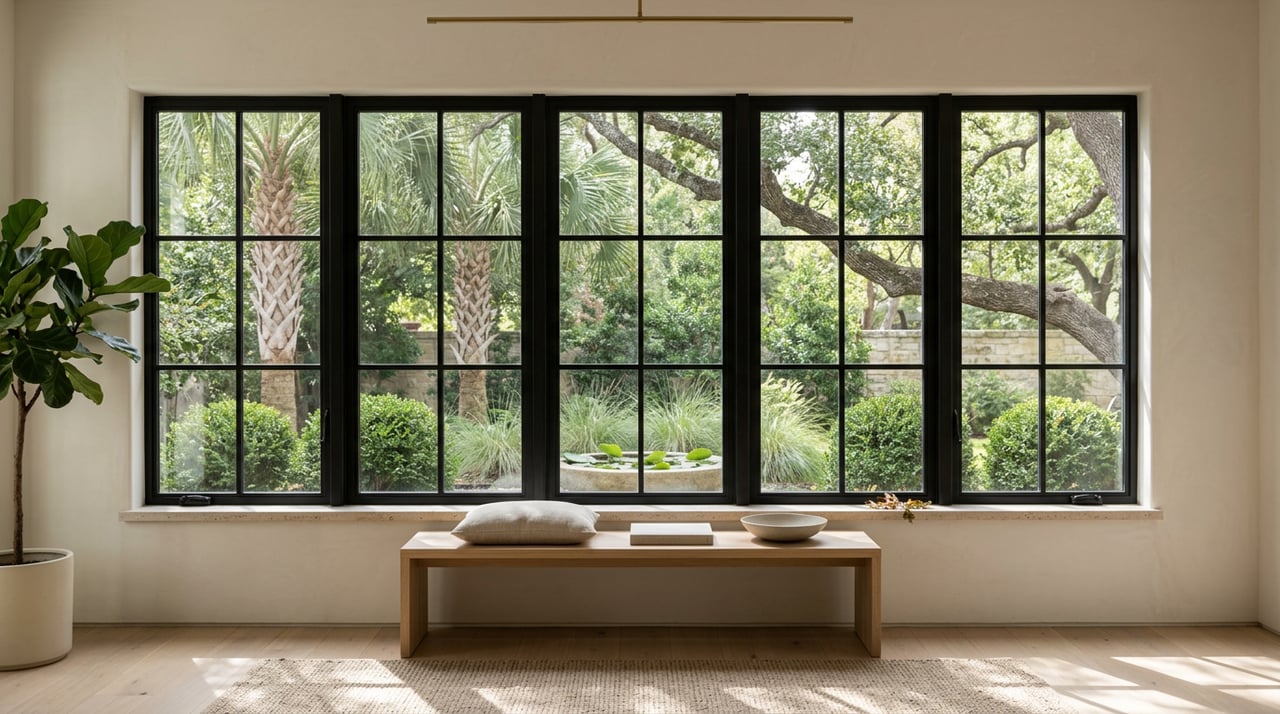
If your home has notable views, especially on the eastern edge of the neighborhood, think carefully about sightlines and window treatments too. In some homes, what buyers see through the windows is part of the appeal.
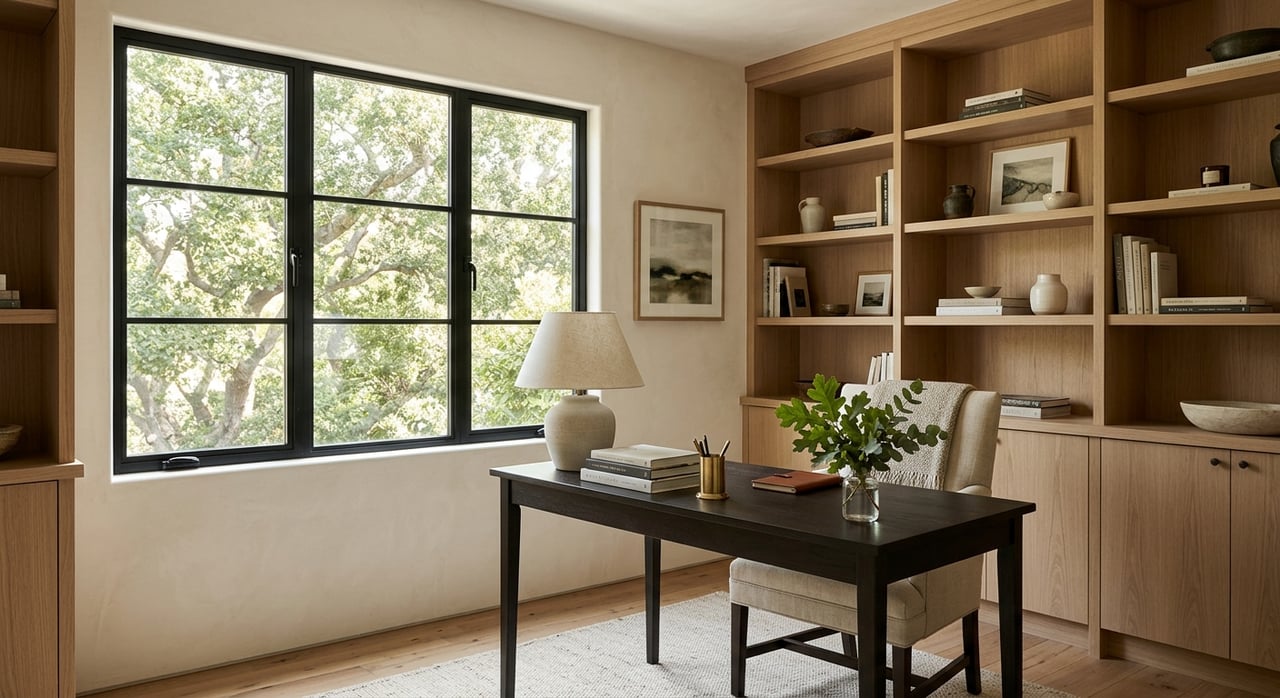
Staging is not about stripping away personality until a home feels cold. It is about making the space easier to understand, both online and in person.
According to NAR’s 2025 staging research, 83% of buyers’ agents said staging made it easier for buyers to visualize a future home. The same research found that about 29% of sellers’ agents reported a 1% to 10% increase in dollar value offered from staging.
If you are not staging every room, focus on the spaces that matter most to buyers. NAR identifies the living room, primary bedroom, kitchen, and dining room as the top priorities.
In older homes, these rooms often benefit the most from editing. Oversized furniture, heavy drapes, or too many personal items can make a room feel smaller or darker than it really is.
In Pemberton Heights, staging works best when it highlights the home’s original character rather than covering it up. Buyers want to notice the details that make an older home distinctive.
That may mean:
The goal is not to erase history. It is to help buyers appreciate it without distraction.
Today, your listing usually makes its first impression online. That means your marketing materials should be ready from day one.
NAR reports that 52% of buyers found the home they purchased online, nearly half started their search online, and 81% rated listing photos as the most useful feature. In other words, photography is not a finishing touch. It is a core listing decision.
Your photo set should tell a clear story. For a Pemberton Heights home, that usually starts with a strong exterior image and then moves through the main living spaces, kitchen, primary suite, outdoor areas, and key architectural details.
In this neighborhood, context photos can matter more than they do in a newer subdivision. Buyers are not just evaluating the house. They are also responding to the tree canopy, setbacks, streetscape, and overall sense of place.
Older homes often have layouts, additions, or room transitions that are hard to understand through photos alone. A simple floor plan, room dimensions, and a short video or virtual tour can help buyers make sense of the space before they visit.
It also helps to prepare a short written asset list. Depending on the property, that could include preserved original features, restored elements, major mechanical replacements, recent roof or HVAC work, permit history, or preservation approvals.
If your home has historic designation or a meaningful preservation story, gather that documentation before listing. The neighborhood association notes that more than 40 homes in Pemberton Heights are designated historic landmarks, so buyers may expect a more complete property story when a home has notable character.
One of the best ways to prepare your Pemberton Heights home for market is to be clear about what the home is and what it is not. Buyers generally respond well to an honest, organized presentation.
That story should explain three things: what has been preserved, what has been modernized, and what still needs attention. This is especially useful in a neighborhood shaped by 1920s development patterns, where front-yard presence, garage placement, mature trees, and the relationship between the house and the street all play a role in how buyers experience the property.
A practical seller packet can reduce uncertainty and help your home feel more credible from the start. It can also make buyer conversations easier once showings begin.
Consider gathering:
Not every item is legally required, but a well-organized file can help support value and answer questions quickly.
In a fast, overheated market, some homes can sell before buyers look too closely. In a more balanced market, details matter more.
That is why the best listing-prep plan for Pemberton Heights usually balances three things: condition, preservation, and visual storytelling. You do not need to make a historic home feel new. You need to help it feel cared for, functional, and easy for today’s buyer to understand.
If you are getting ready to sell in Pemberton Heights, a calm, strategic plan can make the process feel much more manageable. When you are ready for thoughtful guidance on pricing, prep, and presentation, connect with Brande Draper.
Stay up to date on the latest real estate trends.

Get assistance in determining current property value, crafting a competitive offer, writing and negotiating a contract, and much more. Contact me today.