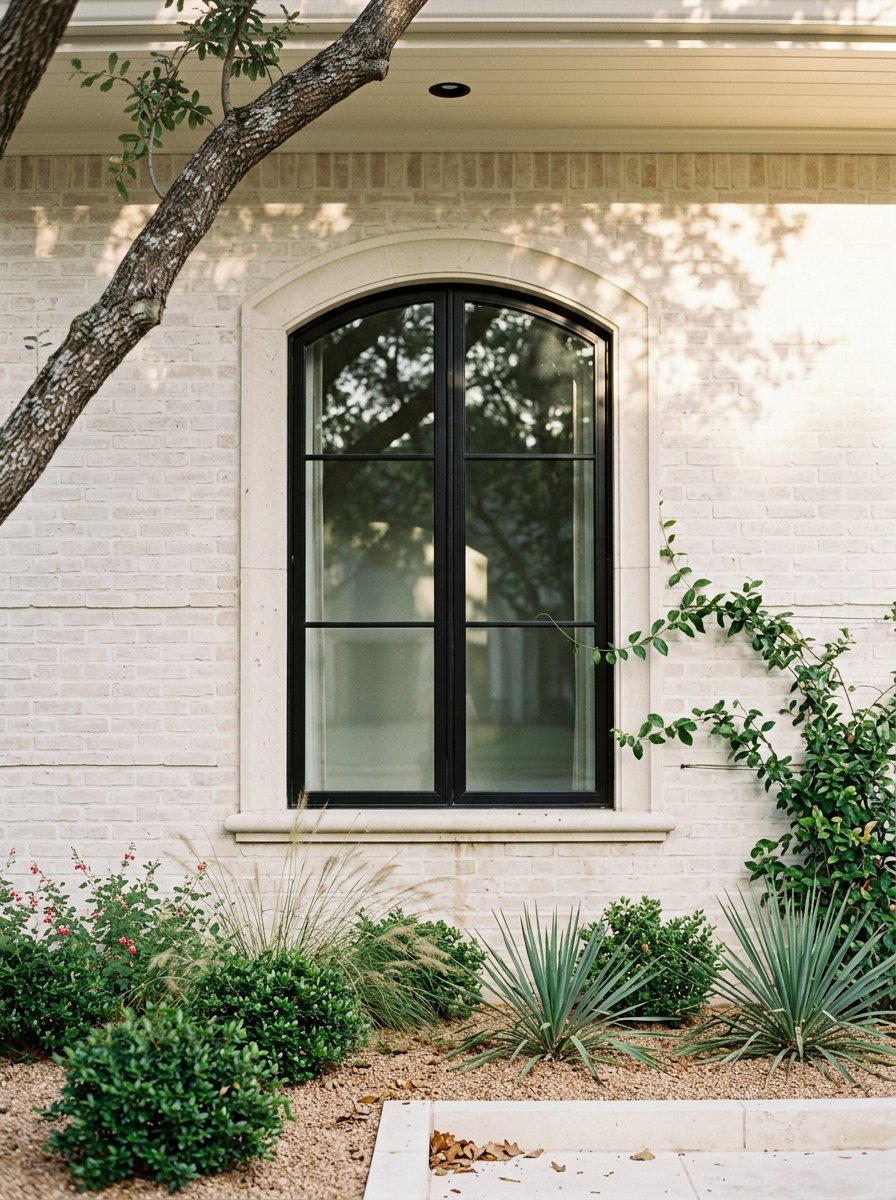
Pemberton Heights At A Glance: History, Homes, Lifestyle
May 21, 2026
May 21, 2026
If you are looking for a Central Austin neighborhood with history, architectural character, and an easy connection to daily life outdoors, Pemberton Heights stands out quickly. This is not just a collection of older homes tucked near downtown. It is a long-established residential area with a distinct identity, a shaded streetscape, and a lifestyle tied to parks, trails, and close-in convenience. Let’s take a closer look.
Pemberton Heights is a neighborhood in Central Austin’s 78703 area, located within the Old West Austin National Register Historic District. Neighborhood materials describe it as a tree-canopied, close-in residential area with roughly 600-plus homes and lots. The larger historic district was added to the National Register in 2003 and includes Pease Park and historic bridges.
That historic context matters because Pemberton Heights feels cohesive without feeling uniform. You get a neighborhood that reads as established and residential, with mature trees, generous setbacks, and an overall sense of space that can feel rare this close to downtown Austin.
The land that became Pemberton Heights began as part of the George W. Spear League. After changing hands, the Pease Mansion, also known as Woodlawn, was built in the 1850s, and Judge John Woods Harris acquired land north of it in 1859. Later, the Austin Development Company transformed that tract into Pemberton Heights.
According to neighborhood history, Pemberton Heights was outside Austin city limits when it was first built. Two Shoal Creek bridges helped connect the area back to downtown, which helped establish it as one of Austin’s early automobile suburbs.
A City of Austin planning document describes the neighborhood’s 1927 launch as a low-density suburban subdivision with paved and shaded streets, sidewalks, city services, and private parkland. Development continued into the 1940s. Neighborhood materials similarly note that the area was platted in 12 sections from the 1920s through the early 1940s.
That timeline helps explain why the neighborhood feels both planned and layered. You can see the influence of an early suburban vision, but also the gradual buildout that created architectural variety across the area.
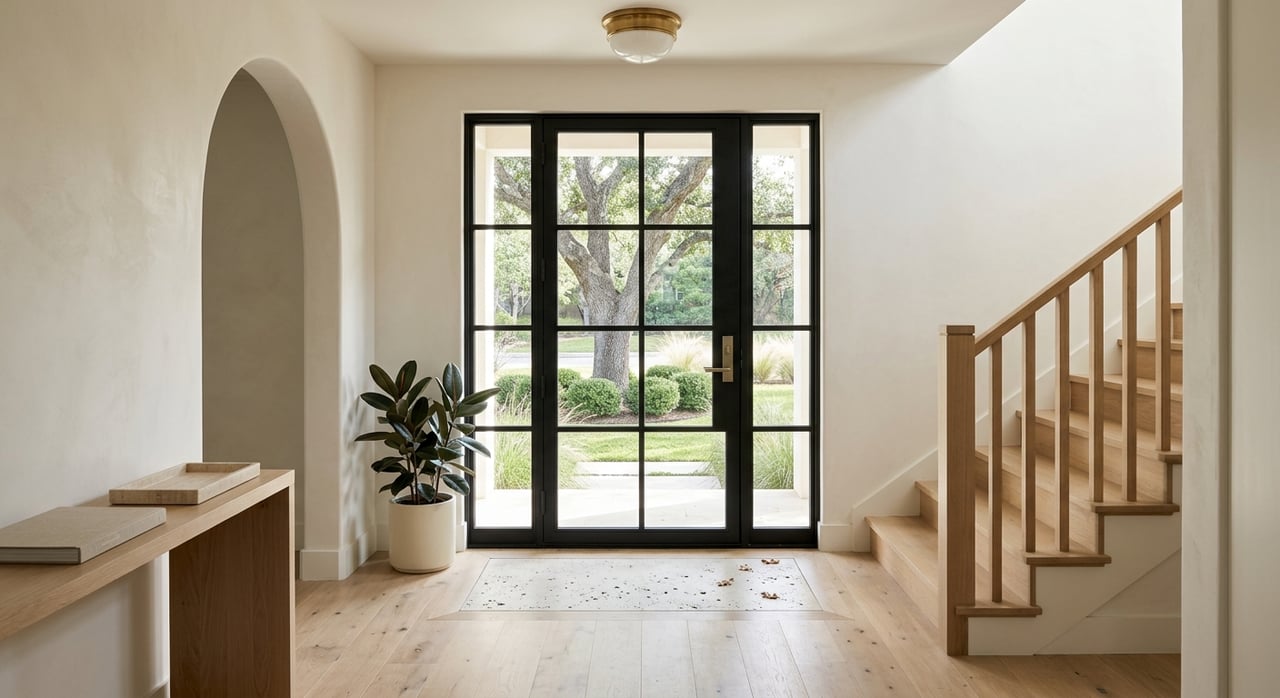
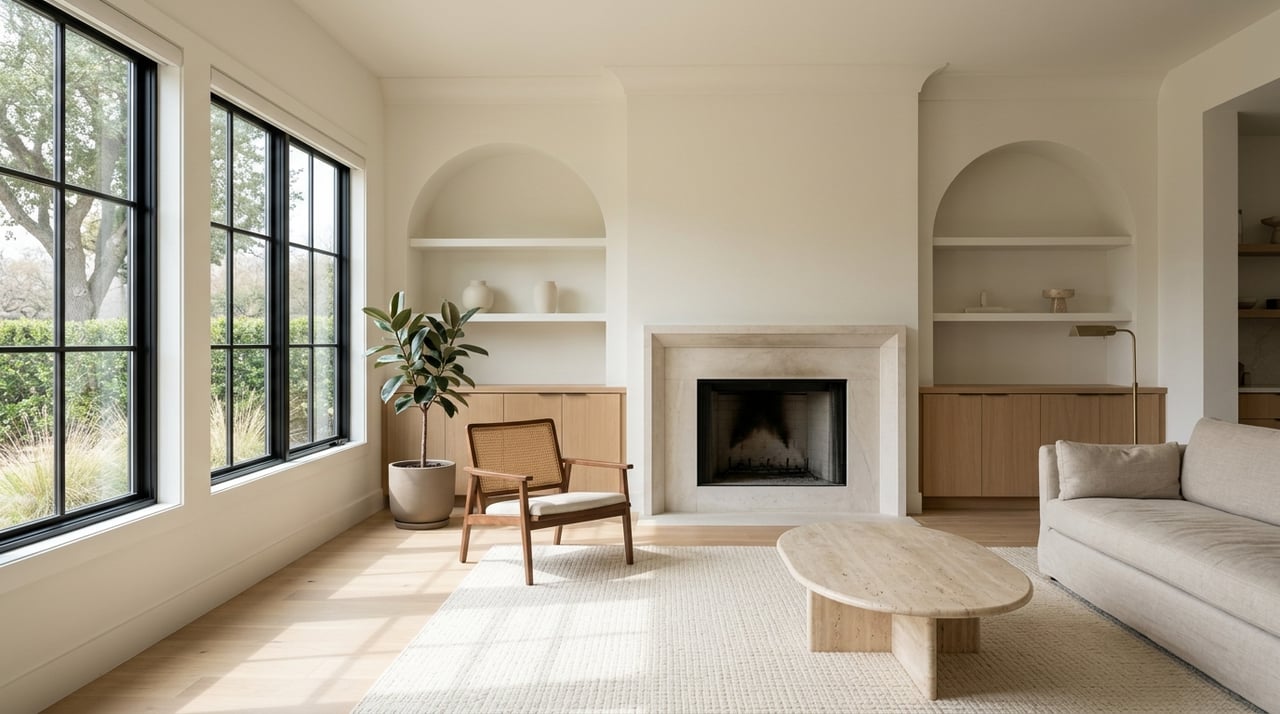
One of the most appealing things about Pemberton Heights is the range of home styles. Neighborhood materials identify Tudor Revival, Colonial Revival, Classical Revival, Spanish Colonial Revival, Italian Renaissance Revival, Craftsman, and Prairie School architecture in the area.
Even with that variety, the neighborhood still feels visually consistent. The broader Old West Austin historic district is described as predominantly single-family, wood-frame housing with a mix of exterior materials, common brick veneer, minimal fencing, and garages or outbuildings accessed from main streets rather than alleys.
The Central West Austin neighborhood plan describes Pemberton Heights as primarily one- to two-story single-family residences, including some of the largest homes and lots in the planning area. It also notes a blend of grid and suburban street patterns that feels narrow, comfortable, and walkable.
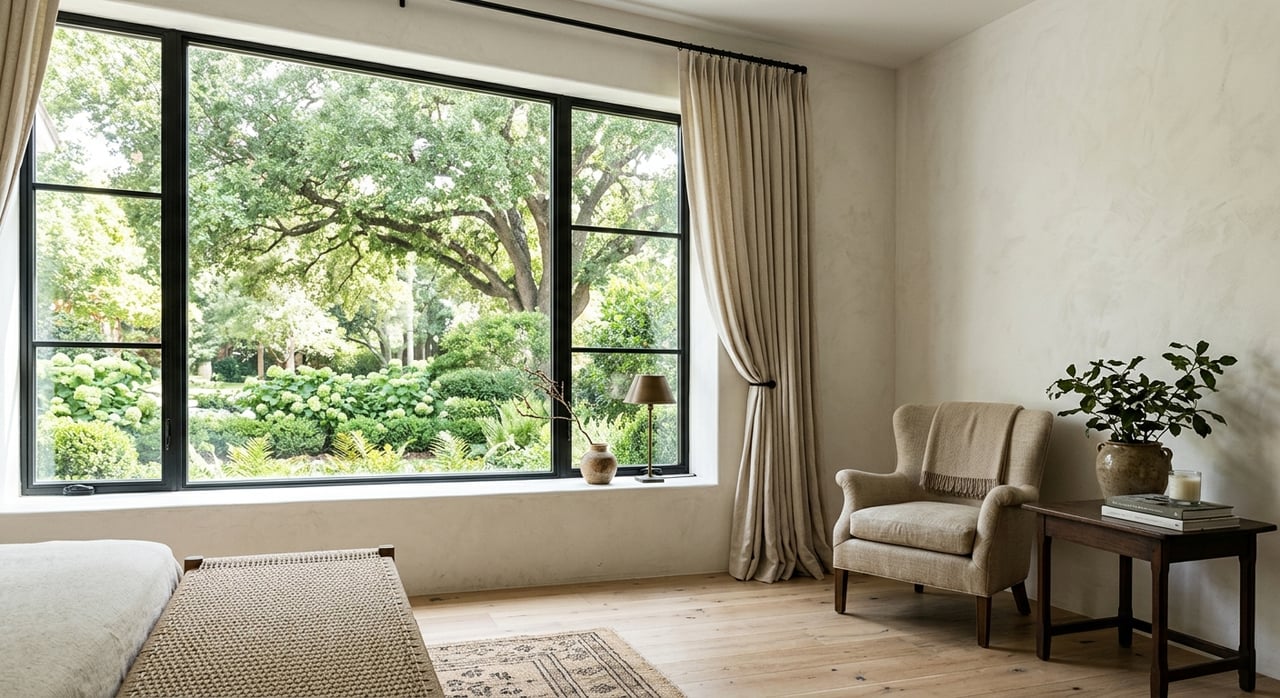
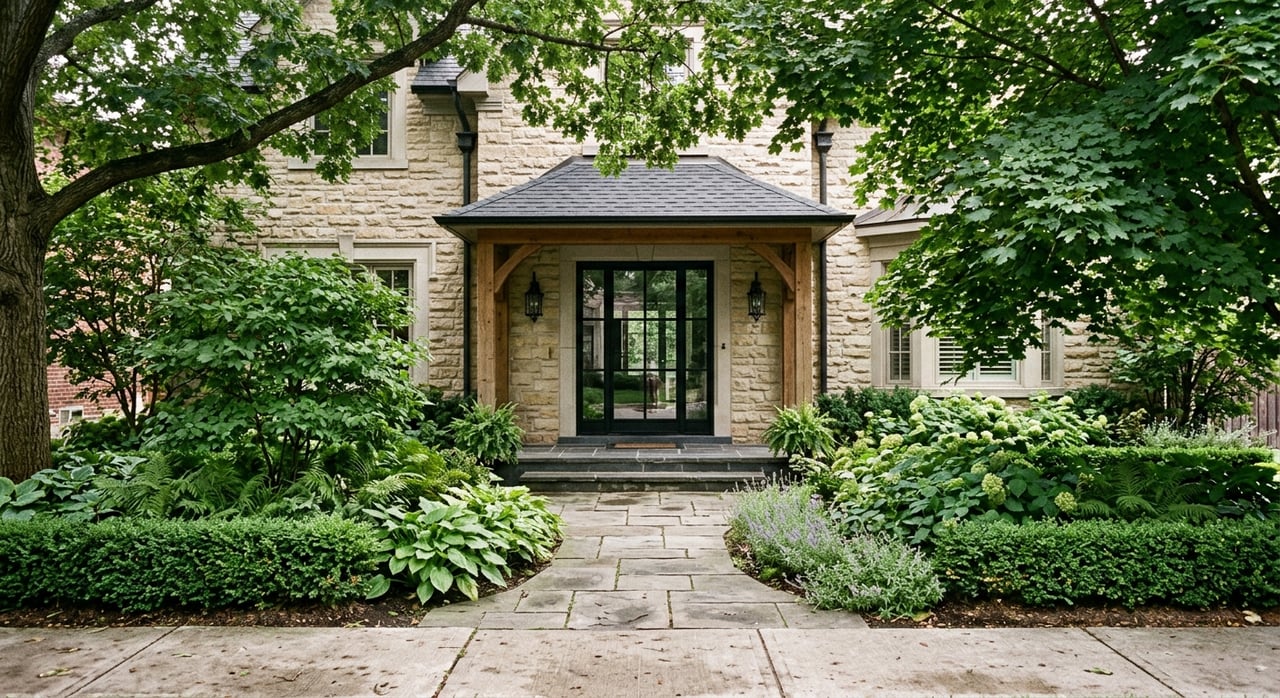
Setback requirements of roughly 30 to 40 feet, along with heritage trees such as oaks, elms, and pecans, add to the neighborhood’s spacious feel. In practical terms, that often translates to broad front yards, a strong tree canopy, and a calm residential rhythm.
Several landmark properties help tell the story of the neighborhood.
These homes are notable not just for their style, but for what they reveal about Pemberton Heights as a whole. The neighborhood has a strong historic identity, but it is not architecturally one-note.
Pemberton Heights offers an unusually connected lifestyle for a historic residential neighborhood. Neighborhood materials note that it sits next to the Shoal Creek Trail and about a half-mile from Pease Park. They also describe short drives to Zilker Park, the Barton Creek Greenbelt, Mount Bonnell, and Emma Long Park.
For many buyers, that outdoor access is a major part of the appeal. The City of Austin identifies Shoal Creek Trail as one of the city’s oldest trail systems and an important north-south route through Central Austin. Pease Park Conservancy describes Pease Park as Austin’s first public park and an 84-acre public green space.
Pemberton Heights is also known for being close-in without feeling overly busy. Neighborhood materials say downtown Austin is about a 15-minute bike ride via the Shoal Creek Greenbelt. Whole Foods is described as about a 30-minute walk away, with Lady Bird Lake about 10 minutes farther.
Residents often meet shopping and day-to-day needs along Lamar Boulevard and around the 38th Street and 35th Street areas, according to the Central West Austin neighborhood plan. Neighborhood materials also note Whole Foods, Central Market, and Trader Joe’s within about two miles.
Pemberton Heights does not center around a commercial district inside the neighborhood itself. Instead, its identity is tied more to residential character, nearby destinations, and neighborhood traditions. The neighborhood association highlights gatherings such as happy hours, Easter egg hunts, picnics, and carriage rides.
It also points to small green spaces like the neighborhood triangle parks and Hartford Park. Hartford Park was created from a former traffic triangle through a partnership with the City of Austin and Austin Parks Foundation, which adds to the neighborhood’s local, community-oriented feel.
If you are considering a home in Pemberton Heights, the neighborhood’s historic status is important to understand. Because the area sits within a National Register historic district, exterior changes may involve additional review.
The City of Austin says contributing properties in National Register districts should follow the city’s Historic Design Standards and must submit a historic review application for exterior alterations, additions, permanent site work, signs, and new construction. Neighborhood materials also say more than 40 homes are designated historic landmarks, while the city plan notes more than 25 properties with Historic Landmark Combining District zoning.
For buyers, that does not automatically mean renovation is off the table. It does mean that if you are evaluating update potential, expansion plans, or a major exterior redesign, you will want a clear understanding of what approvals may apply before making assumptions.
Pemberton Heights can be a strong fit if you want a close-in Austin location with a residential feel, mature landscaping, and architecturally distinctive homes. It may also appeal to buyers who value being near trails and parks while staying connected to downtown and other Central Austin destinations.
Because homes here can vary in style, age, lot size, and historic considerations, it helps to look beyond surface-level charm. A strategic home search in Pemberton Heights often involves balancing lifestyle priorities, renovation goals, and long-term value.
If you are thinking about buying or selling in Pemberton Heights, working with someone who understands both neighborhood nuance and property potential can make the process much clearer. Brande Draper brings deep Austin roots, strong market knowledge, and hands-on renovation insight to help you evaluate homes thoughtfully and move forward with confidence.
Stay up to date on the latest real estate trends.
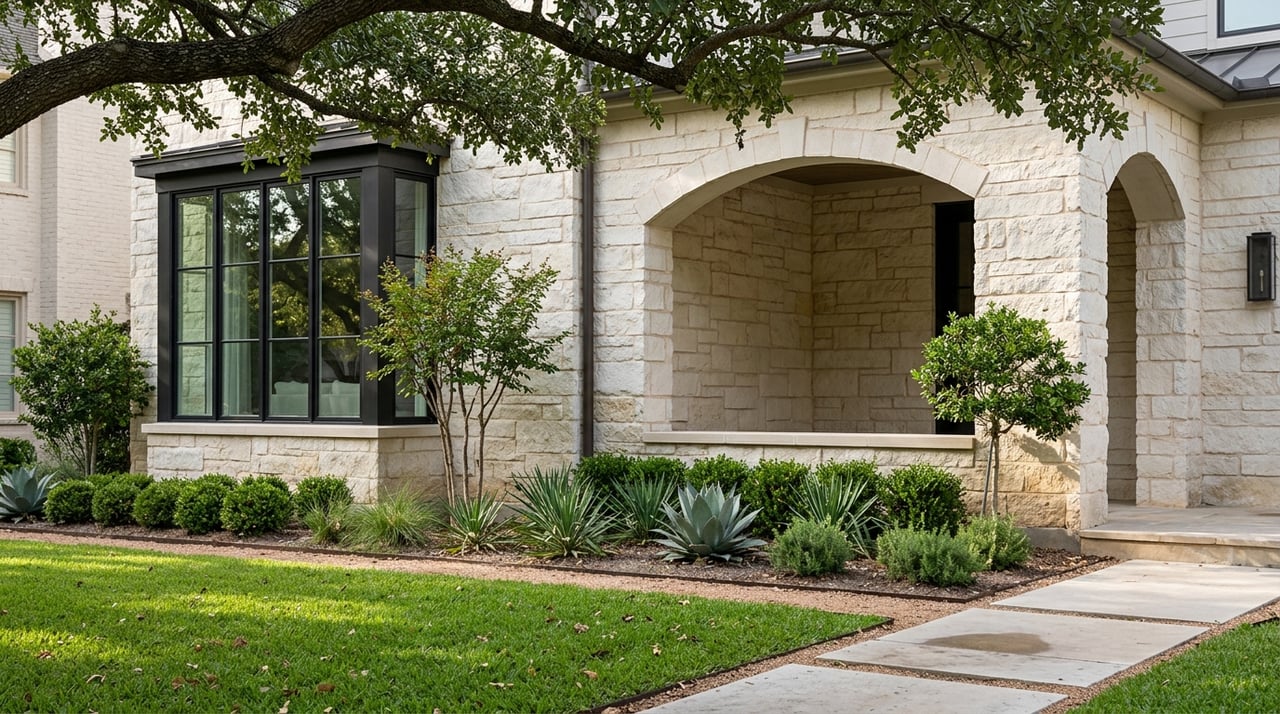
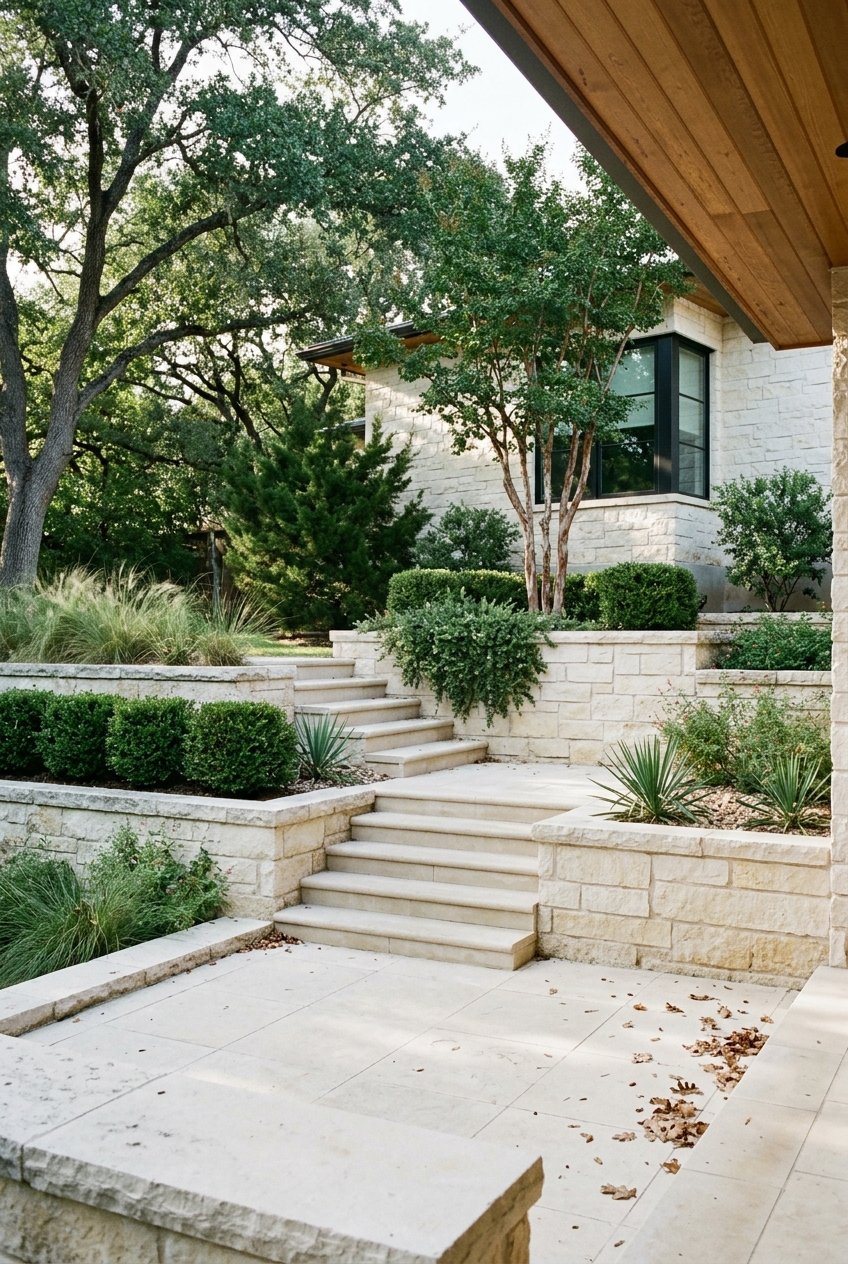
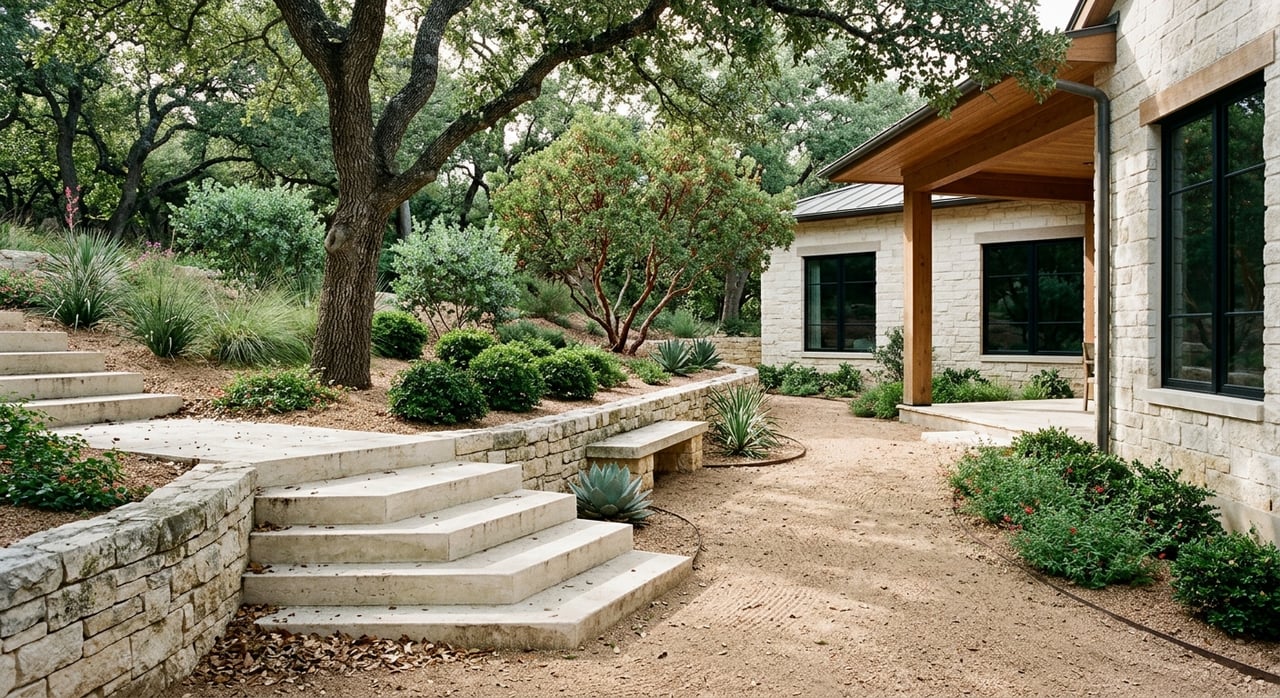
Get assistance in determining current property value, crafting a competitive offer, writing and negotiating a contract, and much more. Contact me today.