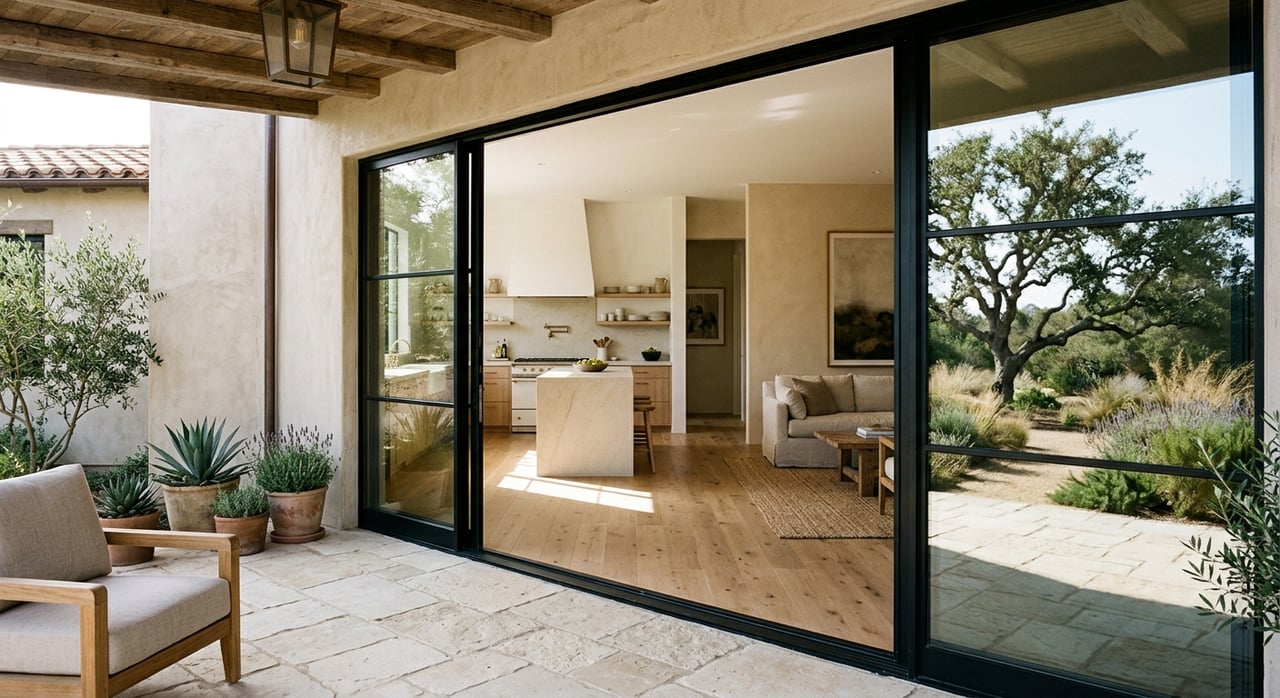
In-Depth Guide to Balcones Austin Homes for Sale
April 23, 2026
April 23, 2026
Trying to figure out what “Balcones” means on an Austin home search can get confusing fast. You may see the name attached to homes with very different price points, lot sizes, and lifestyles, and that can make it hard to know what you are really comparing. If you are considering Balcones in Austin, this guide will help you understand the two main submarkets, what kinds of homes you can expect, where buyers may find value, and what to watch during due diligence. Let’s dive in.
One of the most important things to know as a buyer is that Balcones is not one uniform neighborhood. Based on public data, buyers are usually looking at two nearby but very different areas: the Balcones Woods cluster in 78759 and the Balcones Drive / Highland Park West cluster in 78731. The distinction matters because home styles, lot sizes, renovation levels, and pricing can vary sharply from one area to the other.
According to the Balcones Woods HOA, Balcones Woods developed mainly in the 1970s and early 1980s. By contrast, public sales along Balcones Drive in 78731 show a mix of older homes, major expansions, rebuilds, and newer custom construction. If you lump both areas together, you can easily misread what is realistic for your budget.
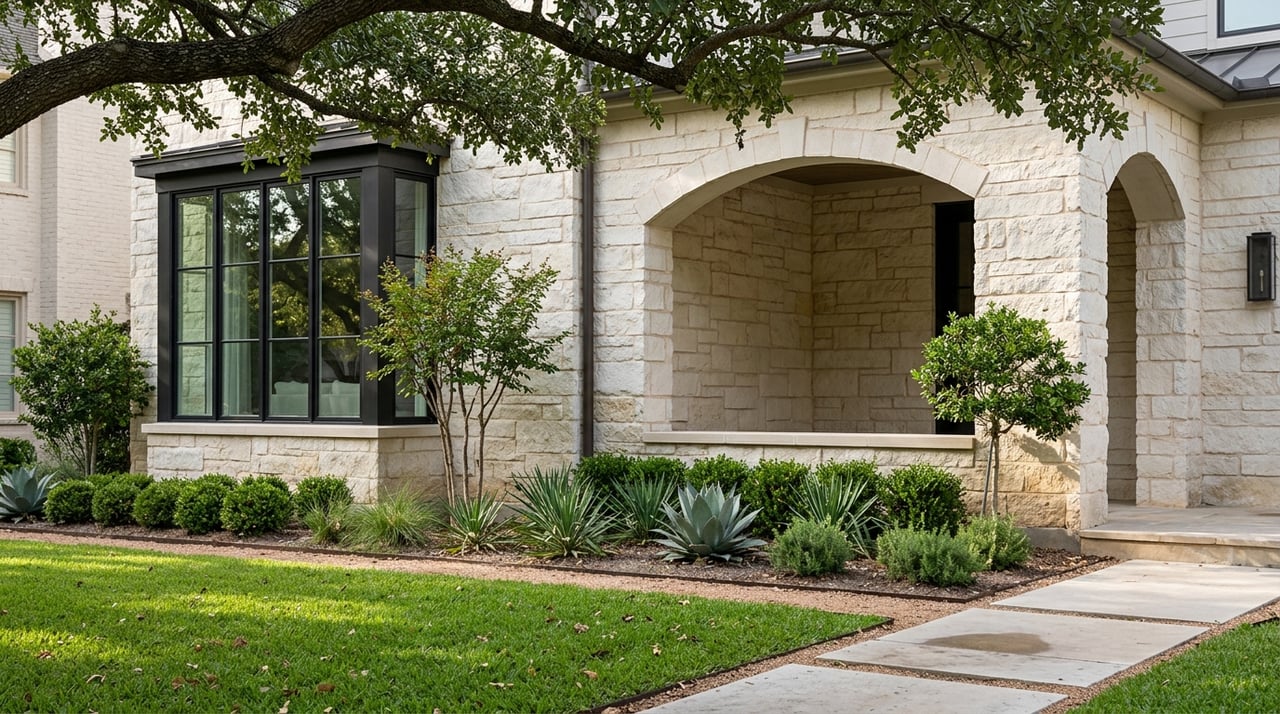
Balcones Woods tends to feel more consistent from block to block. The housing stock is largely made up of traditional-style brick homes from the 1970s and early 1980s, often on lots around 9,000 square feet, with mature trees and a more classic subdivision pattern, according to the Balcones Woods HOA and recent public sale examples.
This part of Balcones also benefits from practical northwest Austin access. Public neighborhood information highlights adjacency to MoPac and US-183, along with convenient access to destinations like The Domain, the Arboretum, Q2 Stadium, and the Apple campus, as noted by the Balcones Woods HOA.
The Balcones Drive side is a different experience. Public records show larger lots, closer-in location benefits, and significantly higher price points, with homes ranging from updated mid-century properties to fully rebuilt luxury residences, as shown in recent Balcones Drive sales.
This area is generally less uniform than Balcones Woods. You may see a 1950s home next to a heavily expanded property or a newer custom build, which means each listing needs to be evaluated on its own merits. For many buyers, the appeal here is the combination of larger lots, mature trees, and closer proximity to central Austin destinations mentioned in public listing descriptions.
Balcones buyers should also understand the land itself. The University of Texas Bureau of Economic Geology notes that west Austin Hill Country includes rugged topography with flat-topped hills and steep canyons, and that the Balcones Escarpment generally parallels MoPac. West of MoPac is hillier, while areas east of it are comparatively flatter.
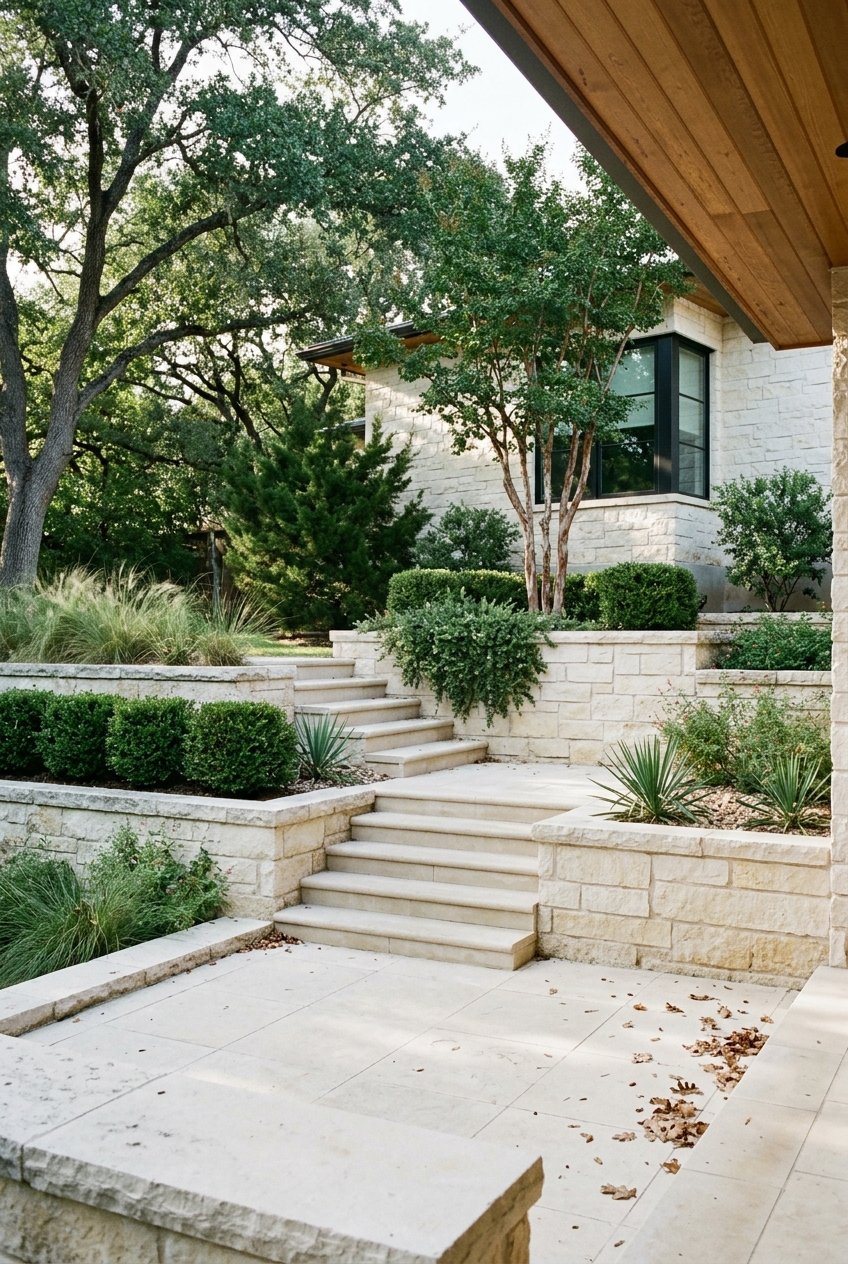
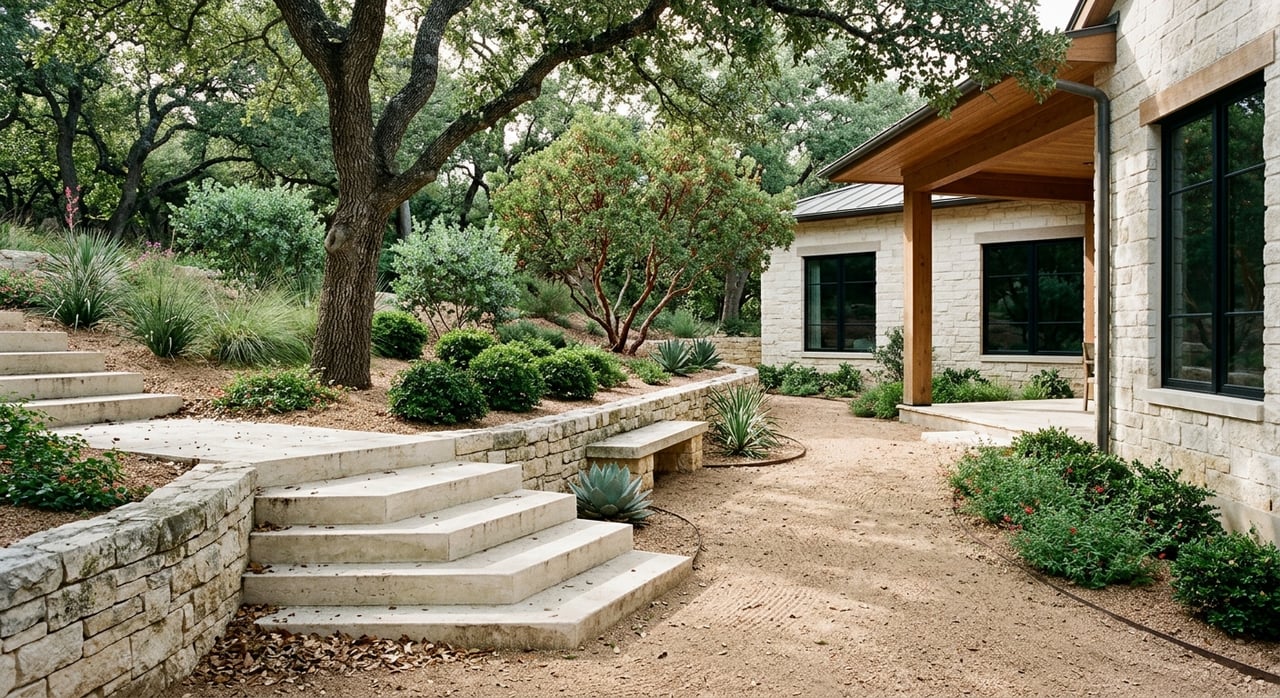
In practical terms, that can mean mature trees, views, and elevation changes that many buyers love. It can also mean sloped lots, retaining walls, drainage considerations, and grading concerns. If you are buying in Balcones, especially on or near the escarpment, those site details deserve extra attention during inspections and property review.
In Balcones Woods, the typical home profile is older but established. Public examples include a 1975-built 1,712-square-foot home on a 9,326-square-foot lot that sold for $585,000, a 1971-built 1,894-square-foot home on a 9,243-square-foot lot that sold for $750,000, and a 1976-built 1,958-square-foot home on a 9,235-square-foot lot that sold for $748,401, based on recent sale data.
On Balcones Drive, the home profile shifts upward. Public examples include a rebuilt 1958 home on 0.31 acre that sold for $2.35 million, a 1951 home on 0.41 acre that was expanded in 2017 and sold for $2.35 million, and a 2020-built estate on 0.48 acre that sold for $3,999,950, according to public sales along Balcones Drive.
If you are shopping Balcones, age alone does not tell you enough. One of the clearest patterns in this area is that owners often keep the lot and modernize the house. Recent listings mention features like open kitchens, updated counters, hardwood or new flooring, updated bathrooms, new windows, HVAC improvements, and expanded outdoor living, based on Balcones-area listing histories.
That means your real question is often not “How old is the home?” but “How much has already been updated, and how well was that work done?” A mostly original home may offer value if you are comfortable planning improvements. A rebuilt or fully renovated property may reduce project risk, but it usually comes with a much higher entry price.
Balcones pricing can look inconsistent until you separate the two submarkets. In Balcones Woods, recent public sales cluster from the upper $500,000s to the mid $700,000s, including $585,000, $724,900, $748,401, and $750,000. One Balcones Woods listing page also showed a 78759 median sale price around $664,000 in early 2026.
On the Balcones Drive side, pricing is much higher. While a broader 78731 market page showed a median sale price around $990,000, actual Balcones Drive sales cited in the research reached $2.35 million and nearly $4 million, according to public 78731 and Balcones Drive sales data. For buyers, that means “Balcones” can describe very different budget realities.
If your goal is value, Balcones Woods may offer the more approachable entry point. You may find original or lightly updated homes where the lot, trees, and location are already in place, but the interior still has room for improvement. For buyers who can look past older finishes, that can be an opportunity to buy into a well-located northwest Austin pocket without paying rebuilt-home pricing.
If your priority is turnkey living, Balcones Drive may be more appealing. Many properties there have already gone through major renovation or full reconstruction, which can reduce the unknowns that come with an older home. The tradeoff is that you are usually paying a significant premium for that convenience, lot size, and closer-in location.
Because Balcones spans older homes, varied renovations, and hillier terrain, your due diligence matters. A smart buying strategy here usually includes a close look at both the house and the site.
Here are a few key items to focus on:
The biggest mistake buyers can make in Balcones is comparing homes by name alone. A home in Balcones Woods and a home on Balcones Drive may share a general area label, but they can represent completely different buying decisions. One may be a classic 1970s home with renovation upside near major northwest Austin employers, while the other may be a large-lot luxury property priced for its rebuild quality and central access.
That is why local guidance matters. When you understand which section of Balcones you are in, what has been updated, and how the lot and terrain affect long-term value, you can make a more confident and better-informed decision.
If you are considering a home in Balcones, having an advisor who understands Austin’s neighborhood differences, renovation potential, and buyer strategy can make the process much clearer. Brande Draper brings deep Austin knowledge, strong negotiation experience, and hands-on renovation perspective to help you evaluate homes with confidence.
Stay up to date on the latest real estate trends.
Get assistance in determining current property value, crafting a competitive offer, writing and negotiating a contract, and much more. Contact me today.