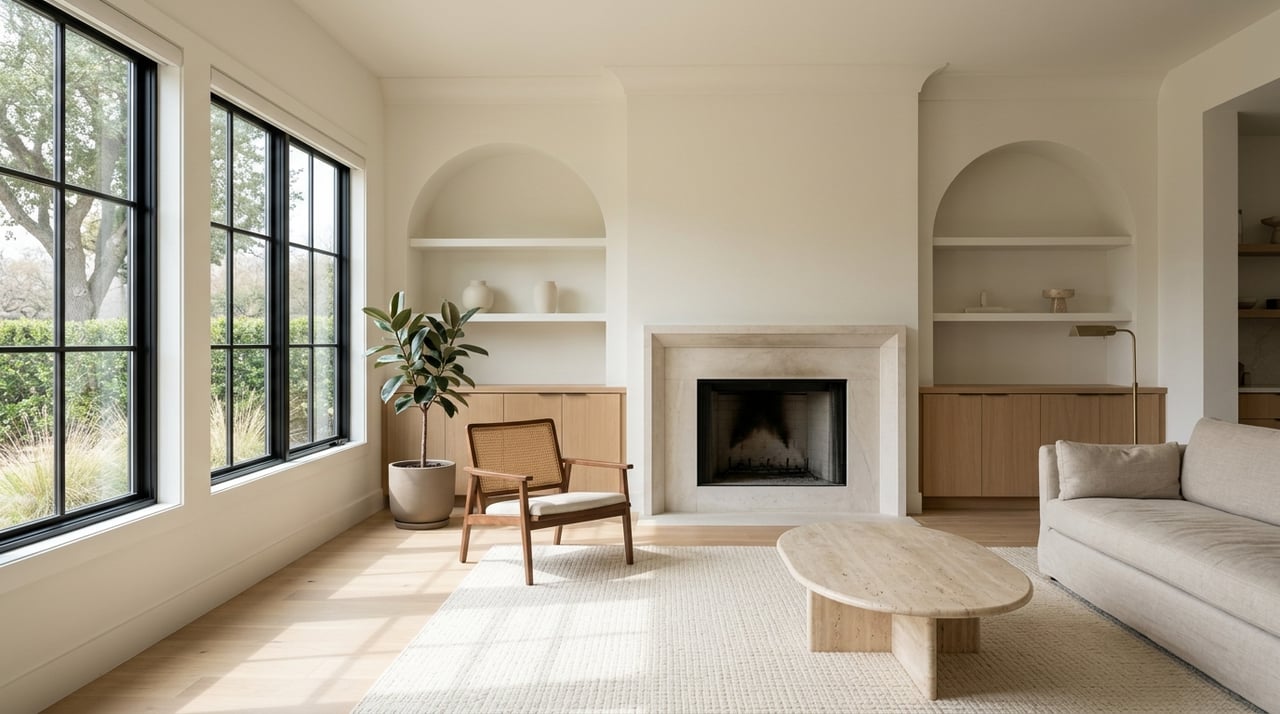
Selling A Highland Park West Home With Confidence
May 14, 2026
May 14, 2026
Wondering how to sell your Highland Park West home without second-guessing every update, price decision, or showing detail? That is a fair concern in a market where buyers have more choices and higher expectations than they did a few years ago. If you want to protect your home’s value and present it in a way that feels true to the neighborhood, the right strategy can make all the difference. Let’s dive in.
Highland Park West has a distinct identity within northwest Austin. The neighborhood includes about 1,800 residences and is known for its close-in location, roughly 15 minutes from Austin City Center, along with access to parks and natural areas like Bright Leaf Nature Preserve.
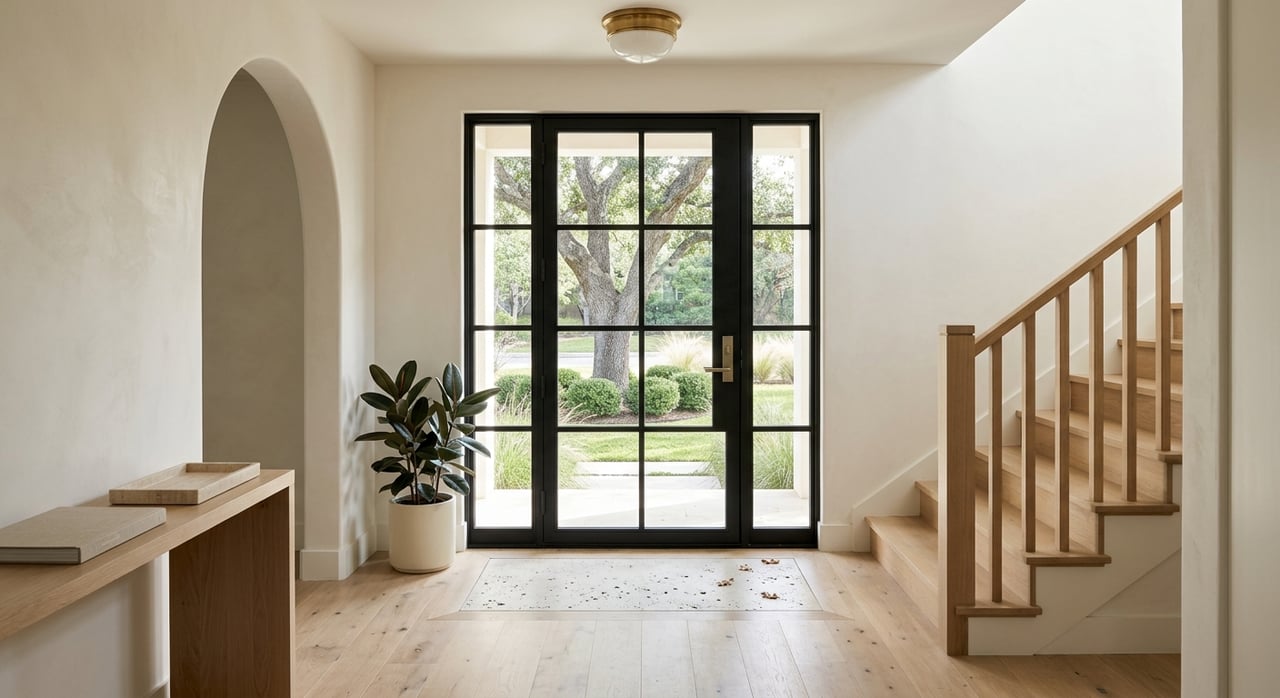
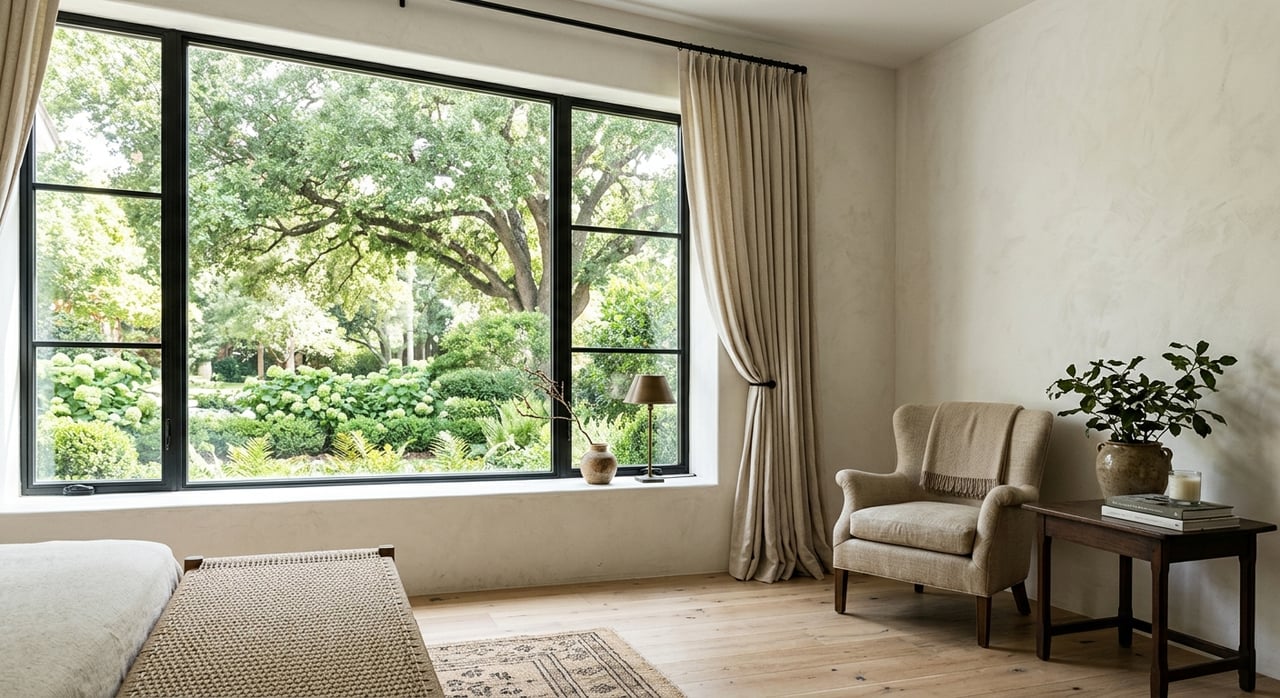
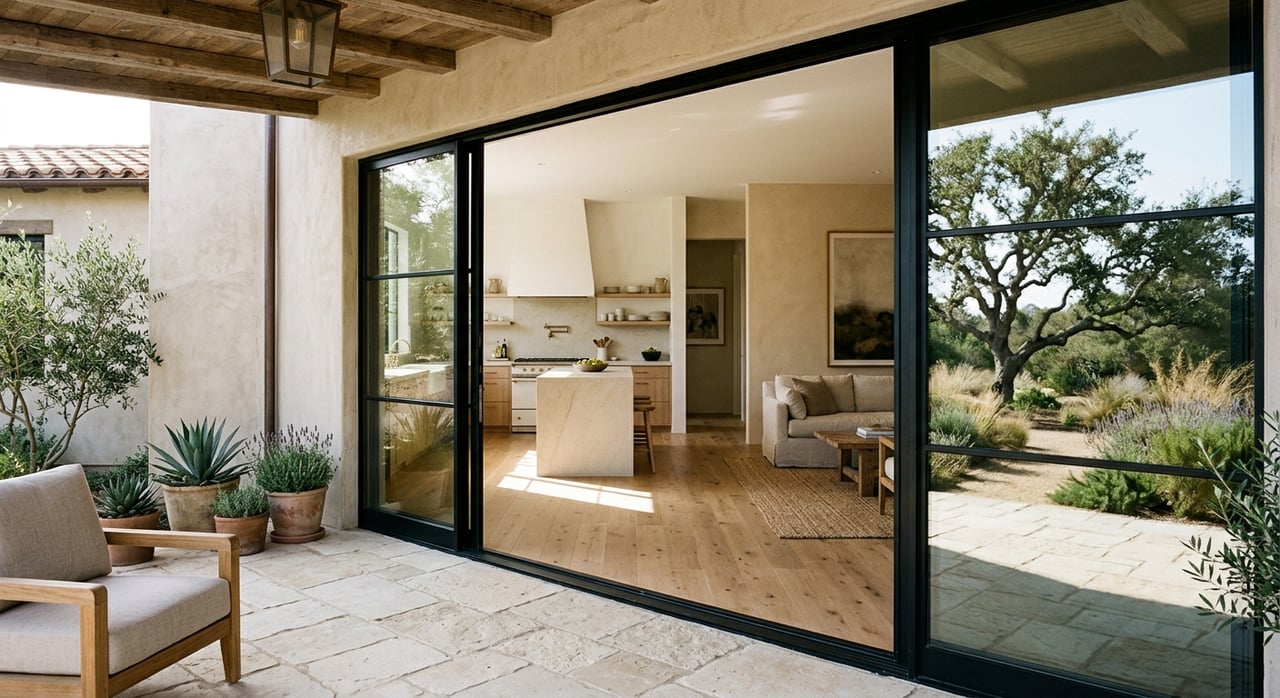
That setting matters when you sell. Buyers are not just comparing bedroom counts or countertop materials. They are also paying attention to mature trees, privacy, views, natural light, and the feeling of indoor-outdoor living that many homes in Highland Park West offer.
A large share of Highland Park West homes were built in the 1950s and 1960s, and the neighborhood has a strong mid-century identity. Local architecture features highlight low rooflines, broad glass, and work tied to notable Austin architects such as Harwell Hamilton Harris, Roland Roessner, and Fehr & Granger.
For you as a seller, that means character is part of the value story. Original details, window lines, wood elements, stonework, and a strong connection between the home and the lot can all shape how buyers respond to the property.
In many cases, the goal is not to make the home look generic or overly new. The goal is to present it as well cared for, functional, and visually aligned with what makes Highland Park West special.
The broader Austin market has shifted into a more balanced environment. In March 2026, the City of Austin had a median residential price of $550,000, 3,653 active listings, 5.4 months of inventory, and an average close-to-list ratio of 93.8%.
That kind of market rewards preparation. Buyers are still active, but they are responding more carefully to homes that are priced well and presented clearly from the start.
Highland Park West operates in a different price range than the city overall. Redfin’s March 2026 snapshot shows a median sale price of $1.4 million in the neighborhood, which puts it well above the citywide median.
That is why broad headlines only tell part of the story. Your pricing strategy should reflect recent neighborhood comps, lot size, condition, views, privacy, and how well the home preserves or improves upon its original character.
Overpricing can slow momentum, especially in a balanced market. If buyers feel the asking price does not match the home’s condition or level of updating, they may hesitate or wait to see if the price changes.
At the same time, underpricing a distinctive home can leave money on the table. In Highland Park West, where architecture and setting often matter as much as square footage, pricing should reflect the full story of the property.
A strong pricing plan usually weighs several factors:
This is where a fact-based, neighborhood-specific approach matters most. A home with thoughtful updates and preserved design details may compete very differently than a similar-sized home that feels stripped of its character or still needs visible work.
If you are selling in the next 6 to 12 months, starting early gives you more control. Unlock MLS noted that timing and pricing matter in today’s market, and early preparation helps you launch with fewer surprises.
The good news is that you do not always need a full renovation. The smartest pre-listing work is often selective, visible, and practical.
For many Highland Park West homes, the most effective updates include:
The key is balance. You want to improve the home’s appearance and function without erasing the features that make it feel authentic to the neighborhood.
In a mid-century area, over-modernizing can work against you. Replacing distinctive windows, flattening architectural details, or removing era-appropriate materials may reduce some of the appeal buyers are looking for.
Instead, focus on updates that support the home’s style. Clean lines, better lighting, repaired surfaces, refreshed landscaping, and carefully chosen finishes can help the property feel current while still respecting its original design.
Staging is not just for vacant luxury listings. According to the National Association of Realtors 2025 Profile of Home Staging, 83% of buyers’ agents said staging made it easier for buyers to visualize a home as their future property.
That same research found that 29% of sellers’ agents said staging led to a 1% to 10% increase in the dollar value offered, and 49% said homes sold faster. In a neighborhood where buyers are often paying for atmosphere, flow, and lifestyle, that visual clarity matters.
You may not need to fully furnish every room. Often, the most helpful steps are:
If your home has broad glass, treetop views, or strong room-to-patio flow, staging should support those features rather than compete with them.
Small distractions can shape a buyer’s impression more than many sellers expect. Showing guidance from the National Association of Realtors points to several common issues that turn buyers off quickly, including odors, clutter, visible neglect, inconsistent finishes, and uncomfortable rooms.
Before every showing, make sure your home feels clean, calm, and easy to understand. Buyers should be able to focus on the space, not on what needs to be fixed first.
Use this quick checklist before your home goes live:
These details matter because buyers often expect homes to look polished from the moment they walk in. In a higher-price neighborhood, presentation can influence whether a home feels move-in ready or like a project.
Most buyers begin online, and some decide whether to schedule a visit based almost entirely on the listing presentation. National Association of Realtors guidance emphasizes the importance of professional photos, video, virtual tours, floor plans, and digital walkthroughs.
For a Highland Park West home, visuals should do more than document rooms. They should tell the story of the architecture, the site, and how the home lives day to day.
In this neighborhood, your listing should clearly show:
Recent neighborhood listings have emphasized iconic views, large windows, oak groves, substantial lots, and privacy. That suggests buyers are strongly responding to homes that feel connected to their setting, not just homes with trendy finishes.
Today’s buyers tend to look closely at both style and substance. In Highland Park West, they are especially likely to ask how updates fit the original architecture and what major work has already been done.
You can build confidence by preparing clear answers in advance. That helps reduce uncertainty and supports stronger buyer trust.
Be ready to address questions like these:
When you can answer those questions clearly, buyers often feel more comfortable making strong decisions.
Selling with confidence usually comes down to three things: smart preparation, accurate pricing, and thoughtful presentation. In Highland Park West, that process works best when it respects the neighborhood’s architecture and the reasons buyers are drawn to it in the first place.
That is where experienced guidance can help. If you want a clear plan for pricing, pre-listing updates, staging priorities, and how to position your home in today’s Austin market, Brande Draper can help you move forward with a steady, informed approach.
Stay up to date on the latest real estate trends.
Get assistance in determining current property value, crafting a competitive offer, writing and negotiating a contract, and much more. Contact me today.