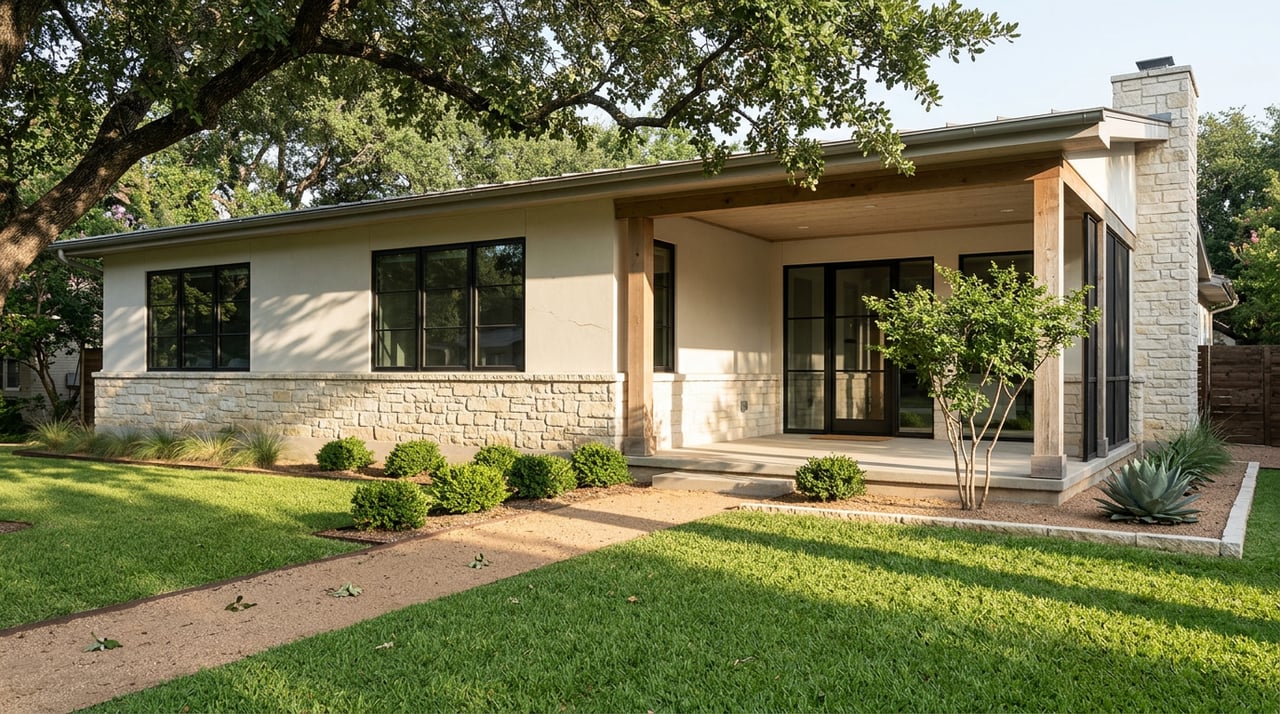
The Third Bedroom Problem In Highland Park West, And What Else The Inspection Will Find
September 3, 2026
September 3, 2026
A buyer falls for a Highland Park West ranch home listed as three bedrooms, two baths. The layout works, the price fits, the offer gets accepted. Then the appraisal comes back counting two bedrooms, not three, because the third room has no closet. The comps shift. The value comes in lower than the contract price. Nobody lied on the listing. Nobody did anything wrong. The house is simply old enough that this happens, and it happens often enough in this particular neighborhood that it's worth understanding before you're the one holding the contract.
Most of Highland Park West was built between 1945 and 1960, when closets in every bedroom weren't a given the way they are in a 2020s spec home. That single fact explains more about what surfaces during a transaction here than any comparison of granite versus quartz. It's also the thread connecting two things a buyer or seller in this neighborhood should expect to run into: how the bedroom count actually gets decided, and what a home inspector is almost guaranteed to flag once they're under the house and in the attic.
Texas has no statewide law requiring a closet for a room to be called a bedroom. The International Residential Code doesn't require one either. What matters to an appraiser is a functional test: does the room have an egress window, a heat source, and enough square footage, generally around 70 square feet with no dimension under 7 feet. A closet is expected, not mandated.
Here's where it gets specific to a neighborhood like this one. Appraisers don't take the MLS bedroom count at face value. They walk the property and apply their own judgment. If a listing says three bedrooms and one of them is a converted den or an original room without a closet, the appraiser can and often does count it as two. That changes which comparable sales get selected, and comparable selection is most of what determines value on a purchase appraisal.
In a neighborhood built largely before 1960, this isn't a rare edge case. It's a predictable outcome of the housing stock's age. A three-bedroom ranch here can trade at a different effective value than a three-bedroom home in a 1990s subdivision, even at the same square footage, because the appraiser's functional count doesn't always match the listing sheet.
What this means in practice:
The closet question is really a symptom of the neighborhood's age, and the same age shows up again once the inspector starts crawling under the house. Central Austin homes built in this era, Highland Park West included, were commonly plumbed with cast iron and, in some cases, a wood-fiber product called Orangeburg pipe for the drain lines running to the street. Both materials were standard for their time. Neither was built to last past about 40 years, and most homes in this neighborhood have now cleared that mark by decades.
Cast iron pipe deteriorates from the inside, oxidizing and eventually cracking. Orangeburg pipe fails differently, softening over time until tree roots, and this neighborhood has plenty of mature oak canopy, push straight through it. On a pier and beam foundation, a plumber can access the crawlspace directly, and repairs typically run in the $10,000 to $25,000 range. On a slab foundation, the pipe runs under concrete, which means diagnosis requires a static test or a camera run through the line, and a confirmed failure means tunneling under the slab or breaking through it from inside. That work commonly lands in the $25,000 to $40,000 range, and sometimes higher depending on the run length and how much of the system needs replacing. A full sewer line replacement from house to street, factoring in age-appropriate materials, can also reach into the $30,000 to $40,000 band depending on scope.
Same neighborhood, same story on the electrical side. Central Austin homes of this vintage were commonly wired with aluminum rather than copper, a standard building practice at the time. Aluminum wiring itself isn't automatically dangerous, but the connections at outlets, switches, and the panel are where the risk lives, since aluminum expands and contracts differently than copper and loose connections can overheat. Homeowners generally have three paths to address it: COPALUM crimping, which is the most durable fix but requires a certified electrician; AlumiConn connectors, a more common and more affordable retrofit; or a full rewire, which is the most expensive option and usually only makes sense if a larger renovation is already underway. Many homes in the neighborhood have had a partial retrofit done at some point, which means an inspector may find a mix of corrected and original connections in the same panel.
None of this means Highland Park West homes are risky to buy. It means a resale transaction here almost always surfaces the same handful of age-related items, and knowing that in advance changes how you read the inspection report.
| Issue | What triggers it | Typical repair range |
|---|---|---|
| Cast iron or Orangeburg drain line, pier and beam | Corrosion, root intrusion | $10,000 to $25,000 |
| Cast iron or Orangeburg drain line, slab foundation | Corrosion under concrete | $25,000 to $40,000 |
| Full sewer line replacement | Confirmed system failure | $30,000 to $40,000 |
| Aluminum wiring connections | Original wiring from this era, unretrofitted | Varies by method, from spot connector repairs to full rewire |
None of these findings are surprises to anyone who's bought or sold a handful of homes in this part of Austin. What matters is what you do with them once they show up in black and white. A cracked cast iron line under a slab is a legitimate repair negotiation, not a walk-away issue, but it's also not a five-hundred-dollar fix a seller can wave off. A closet-free bedroom is a value conversation that needs to happen before the appraisal, not after, because there's very little room to negotiate once a lender has already committed to a number based on two bedrooms instead of three.
If you're buying here, ask your inspector directly whether they can identify the drain line material and whether a sewer scope is worth adding, since a standard inspection doesn't always include one. Ask whether the panel shows any AlumiConn or COPALUM retrofit work, which tells you how much of the aluminum wiring issue has already been addressed. And before you fall for the third bedroom, look up the county record yourself.
If you're selling, get ahead of all three items before you list. A pre-listing sewer scope and a documented note about any electrical retrofit work already completed can keep a buyer's inspection from becoming a renegotiation. And if your home's third bedroom has never had a closet, decide now whether to build one, correct the county record, or simply price the home as a well-documented two-bedroom with a bonus room. All three are legitimate strategies. Guessing which one you're using isn't.
Does adding a closet after the fact fix the appraisal issue? Only if the county record already reflects the correct bedroom count and the room otherwise meets the size, egress, and heat requirements. A closet added purely for staging won't override an appraiser's functional read of the room if the underlying record says otherwise.
Is aluminum wiring an automatic insurance problem? Not automatically, but some insurers ask about it directly, and unretrofitted aluminum connections are one of the more common items flagged on a home inspection in homes from this era. A documented COPALUM or AlumiConn retrofit is generally viewed favorably.
Should a cast iron sewer issue be a credit or a price reduction? Either can work, but a specific dollar figure tied to a licensed plumber's written estimate holds up better in negotiation than a vague request. Slab foundation repairs cost meaningfully more than pier and beam repairs, so get the foundation type confirmed before you name a number.
Are these issues unique to Highland Park West? The underlying cause, homes built mostly between 1945 and 1960, is shared with several other Central Austin neighborhoods. What's specific to Highland Park West is how consistently the housing stock falls into that exact window, which means these three items come up on a very high share of resale transactions here rather than being occasional exceptions.
If you're buying or selling in Highland Park West and want to talk through what a specific inspection report actually means for your negotiation, Brande Draper has spent years working through exactly these conversations with Austin buyers and sellers. Let's Connect.
Stay up to date on the latest real estate trends.


Get assistance in determining current property value, crafting a competitive offer, writing and negotiating a contract, and much more. Contact me today.